What it really means
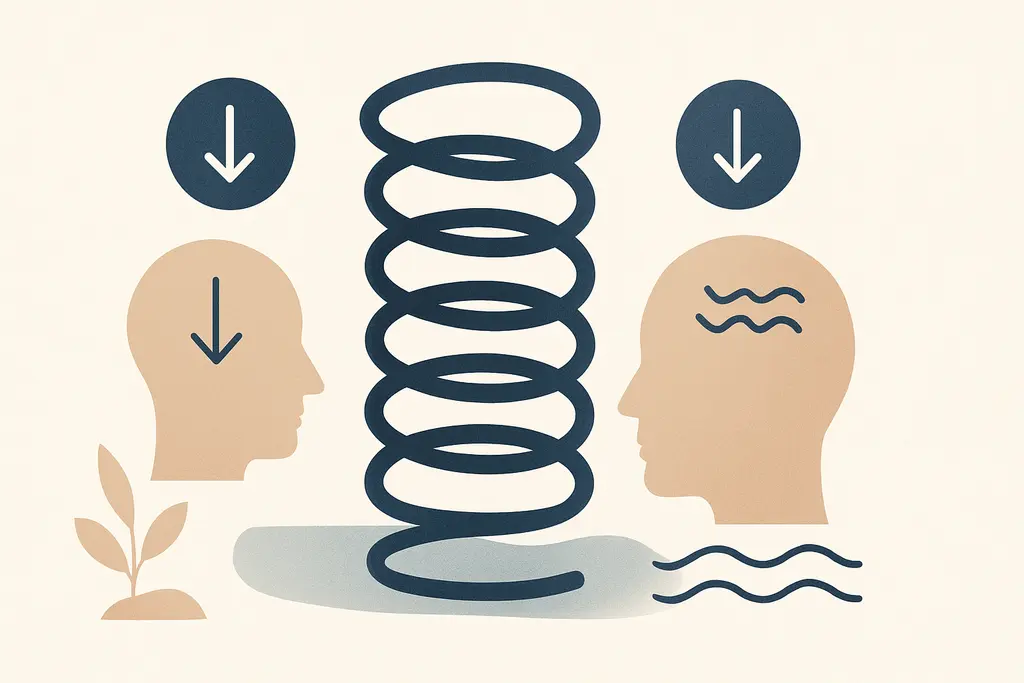
Adaptive stress (sometimes called challenge stress) shows up when the task is hard but the person has clear purpose, sufficient control, and confidence that effort will pay off. It’s often time-bound and followed by recovery. Toxic stress is persistent, unpredictable, or uncontrollable pressure that exceeds coping resources and damages performance, learning, and retention.
Adaptive stress has these workplace qualities:
- Clear goal and timeline
- Sufficient resources or a path to get them
- Predictable feedback and some sense of control
Toxic stress tends to be diffuse: unclear expectations, repeated last‑minute changes, or persistent conflict. The key difference is context—same challenge, different conditions.
Underlying drivers
Several organizational practices and social dynamics convert adaptive pressure into toxic pressure.
Over time these factors create a reinforcing loop: people cut corners to meet demands, defects or rework increase, leaders react with more urgency, and pressure escalates.
Misaligned incentives: short-term KPIs that reward speed but ignore quality or recovery.
Lack of autonomy: micromanagement removes the control that makes strain tolerable.
Poor role clarity: people face conflicting priorities and can’t plan.
Chronic resourcing gaps: understaffing, repeated overtime, or constant firefighting.
Social amplification: blame cultures, public criticism, or unrealistic narratives about heroics.
Observable signals
Signs of adaptive stress and toxic stress are visible in behavior, output, and social signals.
Contrast that with toxic stress signals:
Managers can often spot the difference from rhythm: adaptive stress has a cadence and recovery; toxic stress feels relentless and escalatory. Use those behavioral cues as diagnostic starting points rather than assuming every complaint is a personality problem.
**Short-term bursts with recovery:** teams surge around a release then reset.
**Learning conversations:** errors lead to fix-and-learn, not blame.
**High focus without exhaustion:** people take breaks and maintain quality.
Chronic missed deadlines or lower-quality output despite long hours
Rising conflict, withdrawal, or cynicism in meetings
Increased absenteeism, quiet quitting, or key people leaving
A quick workplace scenario
A product team facing a major launch works intense 6‑week sprints, then takes a one-week hard stop to fix defects and rest. That is adaptive stress: predictable burst, clear goals, and shaped recovery. If the same team is repeatedly told to add scope mid-sprint, criticized publicly for minor misses, and denied scheduling buffers, the stress becomes toxic—effort no longer produces a reliable payoff, and morale collapses.
Where managers commonly misread it and related confusions
Leaders often confuse stress type or oversimplify causes. Two near-confusions happen repeatedly.
- Challenge vs hindrance stress: Challenge stress can motivate when tied to growth; hindrance stress blocks progress (e.g., bureaucracy). They look similar externally but require different fixes.
- Acute vs chronic stress and burnout: An acute push can degrade into chronic strain if recovery is absent. Burnout is a longer‑term outcome, not an interchangeable label for heavy work.
Managers also misattribute lowered performance to lack of skill rather than to toxic context. That mistake leads to one‑on‑one performance coaching when the real fix is structural (role clarity, staffing, or process change). Read the signals holistically—patterned errors, shifting demographics of who is struggling, and team conversations reveal context.
This section is important because misreads produce the wrong interventions: coaching an individual won’t stop the meeting cadence or misaligned KPIs that cause the pressure.
Practical responses
Start with assessment, then make targeted changes. Small shifts often interrupt toxic feedback loops quickly.
After these immediate actions, monitor metrics that reflect the experience (turnover, engagement scores, error rates, and frequency of emergency work). Interventions should be experimental—try a change for a sprint, collect data, and iterate.
This list prioritizes fixes that change context rather than only treating symptoms. For example, reinstating a weekly planning ritual may stop last‑minute scope creep better than reprimanding the person who raised an impossible new request.
**Clarify purpose and scope:** remove or defer low‑value tasks and set a single priority for the work window.
**Restore control:** give teams decision authority over how they meet the goal (schedules, workflows, tools).
**Ensure predictable recovery:** calendared no‑meeting blocks, mandatory handoffs, and defined breakpoints after intense phases.
**Adjust incentives:** align KPIs to quality and sustainability, not just throughput.
**Reduce social threat:** stop public blame; require learning summaries after mishaps instead of town-hall callouts.
Questions worth asking before reacting
When you hear complaints or see performance slips, use diagnostic questions to avoid knee‑jerk solutions.
- What changed recently in process, priority, or resourcing?
- Is the workload concentrated on a few people or spread evenly?
- Do people have control over how they do the work? If not, where can we reallocate decision rights?
- When was the last intentional recovery period or quality‑focused pause?
- Are incentives nudging short-term fixes over long-term durability?
These questions guide a targeted response: sometimes you need to reduce scope, sometimes to add resources, and sometimes to change social norms. The right answer depends on whether the stress is adaptive (support growth) or toxic (remove the harm).
Related patterns worth separating from it
Two other patterns are often lumped together with adaptive vs toxic stress but deserve their own handling.
- Psychological safety: low psychological safety makes stress toxic because people hide problems instead of fixing them. Improving safety is about norms, not workload.
- Structural bottlenecks: recurring process failures (hand-offs, approvals, unclear ownership) create chronic hassle that feels like toxic pressure but responds to redesign rather than resilience training.
Distinguishing these helps you pick the correct lever—culture, process, or resourcing—rather than defaulting to individual coaching or punitive measures.
Related topics worth exploring
These suggestions are picked from nearby themes and article context, not just a flat alphabetical list.
Perpetual On-Call Stress
Chronic expectation of immediate responsiveness at work that blurs boundaries, harms planning, and hides capacity issues — how it shows up and what managers can do.
Toxic positivity at work
When enforced cheerfulness silences problems at work. Learn how toxic positivity shows up, why it forms, how leaders misread it, and practical steps to restore honest conversation.
Pre-deadline stress spikes
Predictable surges of frantic work and pressure before deadlines—how they form, how they’re misread, and practical steps leaders can use to prevent last-minute crunches.
Quiet stress at work: sustained low-level strain
Sustained low-level pressure at work that quietly drains focus and quality—how it forms, how it shows up day-to-day, common misreads, and practical manager actions to reduce it.
Rest guilt
Rest guilt is the anxious feeling that downtime is undeserved; it shows up as skipped breaks, constant connectivity, and over-justifying time off, and can be reduced by clearer handoffs and visible bo
Chronic Task Diffusion
Persistent loss of clear ownership where tasks repeatedly stall between people and processes — how it looks, why it happens, and practical fixes managers can apply.