Quick definition
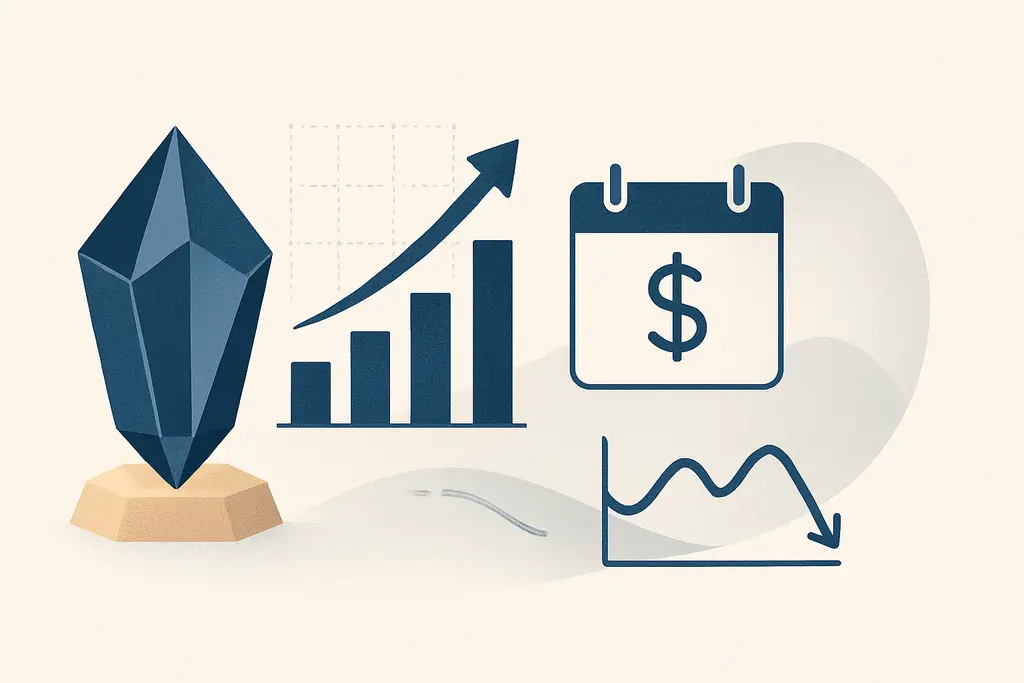
The Bonus Timing Effect is a behavioral pattern where the timing of financial or non-financial rewards causes predictable shifts in effort and priorities. Rather than steady performance, individuals and teams accelerate activity near reward dates and slow down once the reward has been granted. This is driven by the visibility of the reward, the proximity of the payment date, and how performance is measured.
The effect can be small and routine (a last-week sprint) or large enough to distort important long-term projects (neglecting quality to hit quarter-end targets). It applies to explicit cash bonuses, commission windows, spot awards, sales contests, and even non-monetary perks tied to time-limited conditions.
Key characteristics:
These characteristics make the phenomenon both observable and actionable: knowing it exists lets leaders design smoother incentives and anticipate timing-driven behavior.
Underlying drivers
**Proximity bias:** people respond more strongly to rewards that feel imminent than distant goals.
**Goal salience:** an active reward window makes specific targets top-of-mind, directing effort there.
**Feedback rhythms:** frequent or visible feedback near payouts reinforces quick corrections and bursts.
**Resource allocation:** time and attention are limited, so teams reassign resources to tasks that affect the upcoming reward.
**Social signaling:** visible wins during payout season create peer pressure to perform in that period.
**Performance measurement design:** narrow measurement windows create incentives to concentrate results within those windows.
**Risk calculus:** short timelines can make risky shortcuts look more attractive when payoff is immediate.
Observable signals
These signs are practical clues that the reward schedule is shaping behavior; spotting them helps you redesign timelines, reporting, or recognition to encourage steadier performance.
End-of-period spikes in activity (late submissions, rush fixes, overtime).
Increased errors or rework following a performance spike.
Clustering of strategic decisions to align with bonus windows rather than project timelines.
Sales teams pushing deals to close before commission cutoffs.
Managers approving quick wins to secure quarterly targets instead of long-term options.
Sudden shifts in task lists and priorities as payout dates approach.
Temporary improvements in KPI dashboards that drop afterward.
Staff morale dips after intense push periods, then slow recovery.
Unbalanced workload distribution as people chase measurable outcomes.
A quick workplace scenario (4–6 lines, concrete situation)
A sales manager notices most large deals close in the last two weeks of each quarter. The team works long hours then, accepting rushed contracts and frequent pricing concessions. After the quarter closes, client onboarding lags and several deals require renegotiation.
High-friction conditions
Quarterly or annual bonus windows that are predictable and heavily weighted.
Short measurement periods for KPIs (e.g., weekly or monthly targets tied to pay).
Public leaderboards and visible ranking during reward cycles.
End-of-project deadlines aligned with payout dates.
One-off contests or spot bonuses announced with tight timeframes.
Commission structures with cutoff dates for deals.
Performance reviews tied to recent activity rather than sustained contribution.
Resource constraints that force trade-offs as reward dates near.
Practical responses
Implementing even a few of these tactics reduces the pressure to compress work into payout moments and supports steadier performance over time.
Smooth reward timing: spread smaller payouts or recognition across the period to reduce end-period surges.
Stagger metrics: evaluate complementary KPIs on different cadences so all work matters continuously.
Weight durability: include measures of follow-through (quality, retention) alongside immediate wins.
Transparent calendars: publish reward windows so teams can plan and avoid last-minute clustering.
Continuous recognition: use frequent non-monetary recognition to keep motivation steady.
Adjust reporting visibility: avoid overly public leaderboards that drive short-term competition.
Set clear handover rules: require completion steps (e.g., onboarding done) before a deal counts for rewards.
Coach trade-offs: help teams weigh long-term costs of short-term wins during planning.
Audit timing effects: review performance patterns by date to detect spikes and drop-offs.
Design buffer periods: introduce short cooling-off or verification windows before payouts.
Cross-functional alignment: coordinate finance, sales, and operations schedules to avoid conflicting deadlines.
Often confused with
Performance incentives — Connected: both influence behavior through rewards; differs because incentives refers broadly to the reward types, while Bonus Timing Effect focuses on the temporal pattern produced by when those rewards are paid.
End-of-period bias — Similar: a behavioral pattern favoring actions near reporting cutoffs; differs in that end-of-period bias covers any deadline-driven rush, not only reward-linked behavior.
Goal gradient effect — Connected: motivation increases as people approach a goal; differs because goal gradient applies to proximity to a goal itself, while Bonus Timing Effect emphasizes scheduled payouts and organizational timing.
Metric gaming — Related: strategic actions to hit targets; differs because gaming often involves manipulation of measurements, while Bonus Timing Effect emphasizes timing-driven allocation of effort.
Temporal discounting — Linked: tendency to prefer immediate rewards; differs because temporal discounting is an individual cognitive bias, while Bonus Timing Effect describes aggregate workplace patterns shaped by reward schedules.
Recency bias in performance reviews — Connected: over-weighting recent events; differs since recency bias affects evaluation, whereas Bonus Timing Effect affects when work is done relative to reward timing.
Variable pay systems — Related: compensation models that change with performance; differs because variable pay is structural, and Bonus Timing Effect is a behavioral consequence of how that structure is scheduled.
Recognition programs — Connected: non-monetary rewards that influence timing; differs because recognition can be continuous, which mitigates timing spikes.
Sunk cost behaviors — Related: decisions influenced by past investments; differs because sunk cost focuses on past choices, while Bonus Timing Effect focuses on timing of future rewards.
When outside support matters
- If timing-driven behavior is causing persistent quality, compliance, or safety problems, consult with an organizational development specialist.
- If morale and retention are significantly affected around payout cycles, speak to HR or a workplace psychologist for systemic solutions.
- For complex compensation redesigns that risk legal or compliance issues, involve compensation specialists and legal counsel.
Related topics worth exploring
These suggestions are picked from nearby themes and article context, not just a flat alphabetical list.
Year-end bonus spending remorse
Why employees feel regret after spending year-end bonuses, how it shows up at work, what sustains it, and practical organizational steps to reduce its impact.
Bonus-driven Risk Behavior
When bonuses change payoff math, people take bigger, riskier actions—this explains why it happens at work, how to spot it, and what organizational fixes reduce it.
Salary negotiation fear
Fear of asking about pay that leads people to accept offers or stay silent; explains causes, everyday signs, misreads, and practical workplace fixes.
Lifestyle Creep Trap
How small pay and perk increases become permanent workplace expectations, why incentives and social signals fuel them, and practical steps leaders can use to stop rising baseline costs.
Investment paralysis
Investment paralysis is the habit of repeatedly postponing resource commitments at work, causing stalled projects, lost momentum, and missed learning opportunities.
Frugality guilt
Frugality guilt is feeling ashamed to spend workplace money; it delays purchases, hides needs, and can be reduced by clearer rules, visible budgets, and reframed leadership signals.