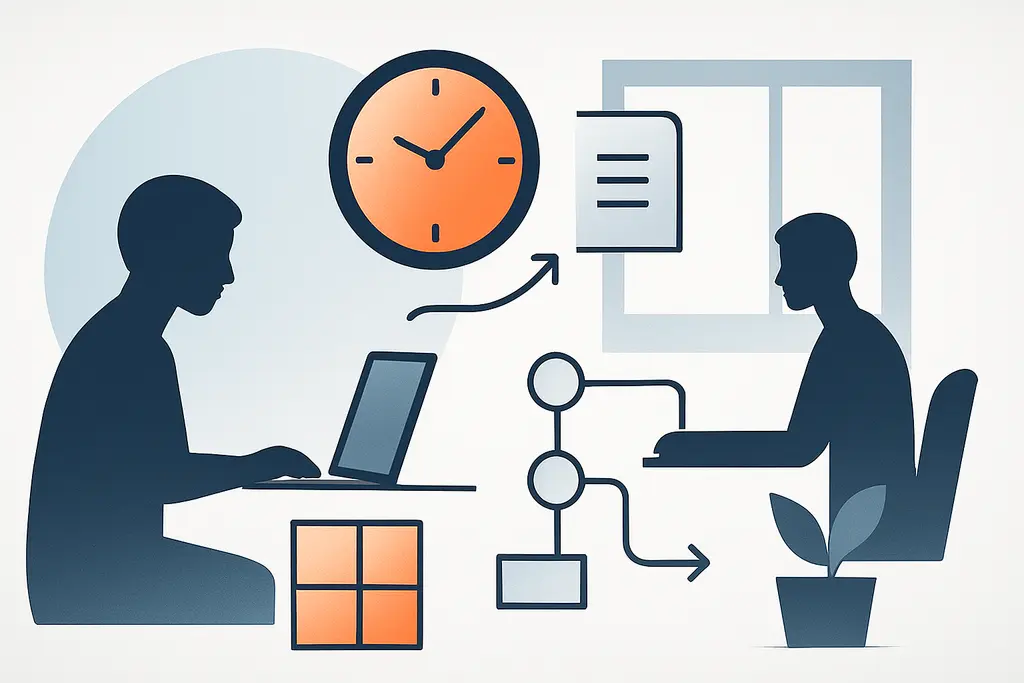
Working definition
Deep Work Strategies are practical habits and routines designed to protect uninterrupted blocks of focused time for demanding intellectual work. They aim to reduce interruptions, signal to yourself and others when you need concentration, and create a repeatable workflow that maximizes productive output during peak energy periods.
Key characteristics:
How the pattern gets reinforced
Complex work requires sustained attention to integrate information, solve problems, or produce creative output.
Digital notification culture fragments attention and trains frequent task switching.
Open-plan offices and frequent meetings increase social interruptions and context switching.
Poor planning or lack of prioritized task lists leaves deep tasks unprotected on calendars.
Unrealistic expectations about multitasking encourage shallow, reactive work.
Cognitive fatigue from back-to-back shallow tasks reduces ability to sustain focus.
Environmental cues (clutter, noise) signal that focus is unnecessary or unsafe.
Operational signs
You need long, quiet blocks to make progress on important projects.
Tasks take longer when interrupted and require reorientation after each break.
Workdays dominated by meetings, emails, and quick tasks with little substantive progress.
Frequent switching between apps, tabs, or projects without completing deep tasks.
Last-minute crunches to assemble work that required sustained effort earlier.
Difficulty starting complex tasks because of competing low-effort demands.
Reliance on late hours to finish concentrated work after daytime interruptions.
Noticeable improvement in quality or speed when given uninterrupted time.
Pressure points
A looming deadline that requires sustained analysis or writing.
High-complexity projects (strategy, architecture, reports) that can't be chunked easily.
Sudden influx of emails or chat messages that pull attention away.
Recurring meetings scheduled during natural focus windows.
An open-plan desk or noisy environment that invites interruptions.
Lack of a clear task list or priorities at the start of the day.
Expectations from managers or team culture that immediate responsiveness is required.
Personal habits like constant checking of social media or alerts.
Moves that actually help
Time block: reserve specific calendar slots for deep work and treat them as non-negotiable.
Define an outcome: before each session, write a clear, attainable goal for that block.
Use rituals: create a short routine (prepare workspace, close tabs, set timer) to enter focus mode.
Minimize inputs: silence notifications, close unrelated apps, and use focused browser profiles.
Communicate boundaries: let colleagues know your deep work hours and preferred contact methods.
Create a cue-rich environment: headphones, a closed door, or a dedicated workspace to signal focus.
Use short sprints: try 60–90 minute focused sessions or Pomodoro cycles for maintainable intensity.
Batch shallow tasks: cluster emails and quick admin into dedicated times away from deep blocks.
Protect energy: schedule deep work during your peak cognitive hours and include breaks.
Review and iterate: track which strategies improve output and adapt your calendar and rituals.
Reduce context switching: work on related tasks in sequence rather than jumping across projects.
Delegate or delay: move nonessential interruptions to other team members or later slots.
Related, but not the same
Flow: a mental state of focused immersion that deep work strategies help create and sustain.
Time blocking: a scheduling technique that reserves calendar space for deep work tasks.
Attention residue: the lingering mental cost after switching tasks that deep work seeks to avoid.
Pomodoro technique: a timer-based approach to split work into focused sprints and breaks.
Digital minimalism: reducing nonessential digital clutter to protect attention during deep work.
Context switching: the cost of shifting between tasks; deep work reduces this overhead.
Prioritization frameworks: tools like the Eisenhower Matrix help identify which tasks deserve deep work.
Cognitive load theory: explains why limiting simultaneous demands improves capacity for complex tasks.
When the issue goes beyond a quick fix
- If persistent overwhelm or exhaustion from workload is causing sustained impairment in work or life, consider speaking with an occupational health professional or HR advisor.
- If attention problems, chronic fatigue, or stress are not improving with workplace adjustments, consult a qualified clinician or workplace psychologist for assessment and tailored guidance.
- If organizational barriers (culture, role design) consistently prevent safe focus time, discuss options with a manager or an organizational development consultant.
Related topics worth exploring
These suggestions are picked from nearby themes and article context, not just a flat alphabetical list.
Deep Work for Managers
How managers create, protect, and scale focused, high-value work time—practical steps, pitfalls, and examples for turning attention into better decisions and fewer interruptions.
Deep Work Interruptions
How repeated micro-interruptions fragment focused work, why they persist in teams, and practical manager strategies to reduce them and protect deep work.
Two-hour deep work blocks: how to structure them
How to plan, protect and use two-hour deep work blocks at work—practical rituals, chunking strategies, common pitfalls, and examples for sustained focus.
Inbox zero myth
Why aiming for an empty inbox is often symbolic, how it shapes daily work behavior, common confusions, and practical fixes to reduce busywork and distraction.
Notification anxiety
Notification anxiety is the anticipatory stress about pings and messages at work — it fragments focus, shapes habits, and can be reduced by norms, batching, and targeted notification settings.
Focus residue recovery
How leftover attention from one task slows the next—and practical steps managers and teams can use to clear it, from short buffers to one‑line handoffs.