What this pattern really means
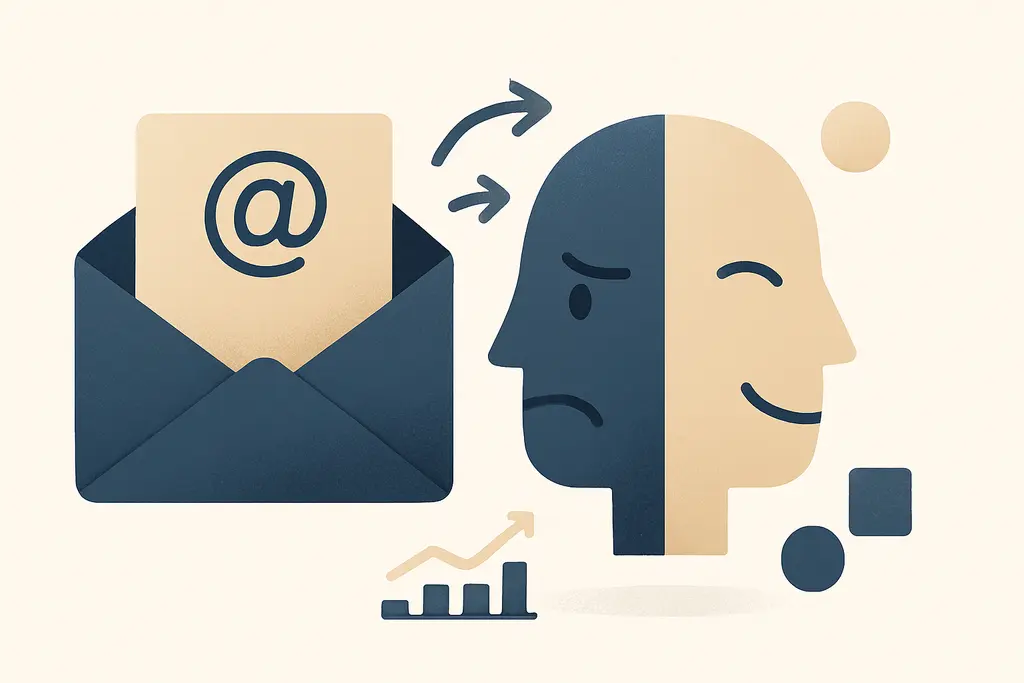
Email tone misinterpretation occurs when a reader assigns a positive or negative emotional quality to a written message that the sender did not intend. Without vocal inflection, facial expressions, or body language, short statements are often filled in with assumptions about intent. These assumptions can escalate quickly in teams because written records are persistent and visible to wider groups.
Key characteristics:
Managers and supervisors often notice patterns rather than isolated incidents: they see recurring threads where tone becomes a focus, not the content. That pattern can point to process or culture issues rather than one person’s temperament.
Why it tends to develop
These drivers interact: environmental constraints like deadlines or large teams amplify cognitive shortcuts, turning small phrasing choices into repeatable conflict triggers that overseers may need to address strategically.
**Cognitive shortcuts:** Readers fill gaps with their own emotions or past experiences.
**Confirmation bias:** A recent negative interaction makes a neutral message read as negative.
**Reduced social cues:** No voice, facial expression, or body language to disambiguate intent.
**Time pressure:** Short, hurried messages omit politeness markers and context.
**Cultural differences:** Varied norms for directness or formality change interpretation.
**Channel mismatch:** Using email for nuanced topics that need synchronous conversation.
**Visibility and permanence:** Public or cc’d emails raise stakes; recipients read more critically.
What it looks like in everyday work
These signs are observable and measurable for people overseeing workflows: frequency of clarification threads, number of escalations tied to tone, or repeated coaching conversations about wording are useful indicators.
Threads that grow long with repeated clarifying replies
Quick escalations to higher-ups about perceived tone
Increased use of formal language and cc’ing to document exchanges
Team members asking for in-person or voice follow-ups
Individuals avoiding email and preferring face-to-face for small items
Defensive or overly detailed replies that aim to justify intent
Confused stakeholders who report contradictory impressions of the same message
Repeated examples used in performance conversations without clear context
Prevalence of qualifiers ("just checking", "sorry to bother") that signal uncertainty
A quick workplace scenario (4–6 lines, concrete situation)
A project coordinator sends: "Need the report by 3 PM." A recipient who’s already juggling tasks reads it as curt and replies defensively. The exchange is cc’d to a lead, who notices the tone conflict and schedules a brief call to realign expectations and set a clearer communication norm.
What usually makes it worse
Tight deadlines that encourage terse phrasing
Group emails with many recipients and unclear action owners
Omitting salutations or sign-offs in repeated messages
Using all caps, excessive punctuation, or abrupt subject lines
Prior unresolved conflict between correspondents
Time-zone differences causing delayed replies
Cultural norms for directness vs. indirectness
Long email threads that remove original context
Using email for sensitive feedback or performance issues
What helps in practice
Many of these steps are practical to implement at the team level: they reduce ambiguity by changing habit, channel choice, and expectations rather than focusing on individual personality traits.
Establish team norms: agree on salutations, response windows, and when to switch channels
Use clear subject lines and opening context (e.g., "Quick request: status by 3 PM")
Encourage brief clarifying questions instead of assumptions ("Do you mean...?")
Model neutral phrasing: replace "You didn’t" with "The doc is missing"
When unsure, pick a faster channel (phone/voice call or brief video) to clarify tone
Pause before replying if the message elicits a strong emotional reaction
Create templates for common messages to reduce variability in tone
Coach high-risk contributors on how wording reads in writing, with examples
Document recurring incidents and address patterns in one-on-one conversations
Use "assume positive intent" as a working principle, but verify facts when needed
If public channels amplify the issue, move sensitive clarifications to private threads
Train people on cross-cultural norms and concise context-setting
Nearby patterns worth separating
Email overload — connected because high volume increases shortcuts that cause misinterpretation; differs as overload is about quantity, not tone.
Communication norm-setting — directly related: norms are preventive measures that reduce misinterpretation.
Confirmation bias — connects as an individual cognitive driver that colors tone perception.
Asynchronous communication pitfalls — broader category that explains weaknesses of delayed channels beyond tone.
Passive-aggressive communication — can look similar in outcome, but passive-aggression is an intentional behavioral pattern, while misinterpretation may be unintentional.
Cultural communication styles — explains differences in directness or formality that affect tone reading.
Written impression management — related concept about how people craft messages to influence perception; tone misreads can undermine those efforts.
Escalation pathways — operational connection: unclear tone often triggers escalation; this differs because escalation is a response, not the root cause.
Feedback delivery best practices — connects as a corrective approach to avoid tone problems when giving critique by email.
When the situation needs extra support
- If repeated misinterpretations are harming team cohesion or productivity and internal attempts to fix them fail, consult HR or an organizational development specialist.
- When communication issues intersect with formal complaints, involve appropriate workplace advisors to ensure fair review and process.
- If individuals report significant distress or impairment from repeated exchanges, suggest they speak with a qualified employee assistance program (EAP) counselor or mental health professional.
Related topics worth exploring
These suggestions are picked from nearby themes and article context, not just a flat alphabetical list.
Why email tone feels harsher than intended and how to fix it
Why emails often read harsher than intended at work, why that pattern forms, and practical fixes—phrasing scripts, checks, and repair moves to reduce misreading.
Email escalation dynamics: how tone and timing affect conflict
How tone and timing in workplace email turn routine messages into conflicts, signs to watch for, and practical steps teams can use to prevent or defuse escalation.
Tone ambiguity and team friction
How unclear emotional tone in messages creates recurring team friction, what causes it, how it shows up, and practical fixes managers can apply.
Passive-aggressive email patterns and fixes
How to spot, interpret, and reduce passive-aggressive email patterns at work—practical examples, why they happen, and step-by-step fixes teams can use.
Email read receipts and perceived pressure: how communication tracking affects team stress
How email read receipts change team behavior and increase perceived urgency — practical signs, managerial moves, and simple policies to reduce stress without sacrificing accountability.
Request Framing
How the wording, context, and implied expectations around a work ask shape responses—and practical ways to reframe requests to reduce friction.