emotional contagion in meetings examples — Business Psychology Explained
Category: Communication & Conflict
Intro
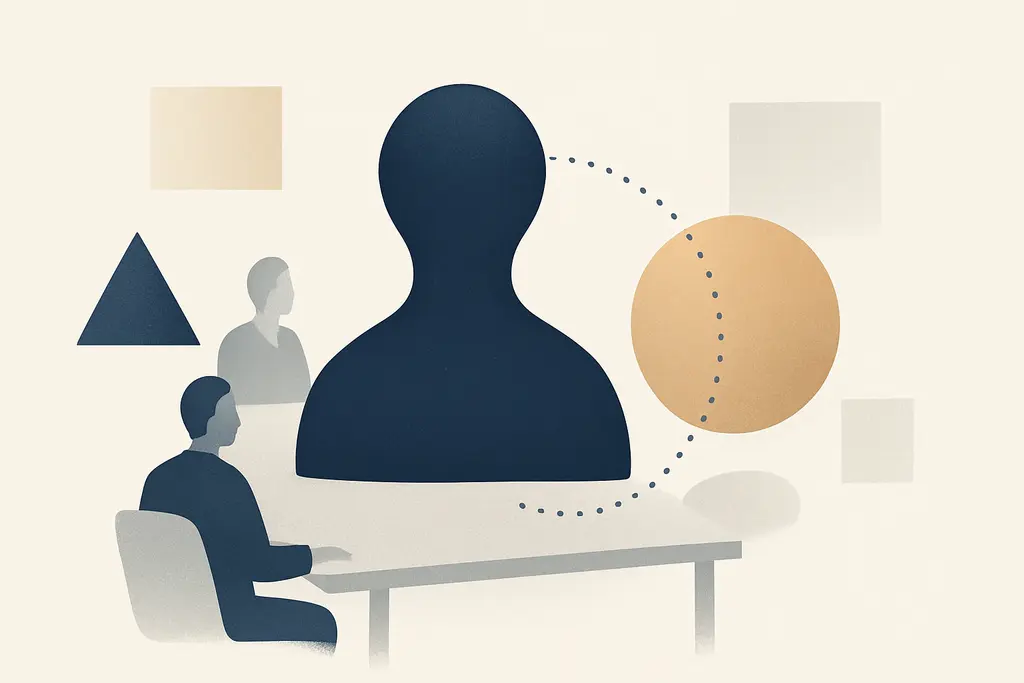
Emotional contagion in meetings examples refers to the way feelings—positive or negative—spread quickly between participants during group discussions. In a meeting context this can accelerate alignment or derail decisions, so noticing typical patterns helps teams steer outcomes and keep conversations productive.
Definition (plain English)
Emotional contagion in meetings is the process where one person's mood or emotional expression influences others in the same meeting, often without conscious intent. It can be as simple as a laugh lightening the room or as disruptive as anxiety spreading before a deadline discussion.
The phenomenon is social and situational: it depends on who is in the room, how people communicate, and the stakes of the agenda. It is not about permanent personality change but about short-term affective shifts that shape how the group thinks and decides.
Key characteristics:
- Rapid spread: moods can move across the group within minutes.
- Nonverbal cues: tone of voice, facial expressions, and posture carry much of the effect.
- Amplification: small reactions from influential participants often produce larger group shifts.
- Context-dependent: the same expression can mean different things in routine standups versus strategic review meetings.
- Bidirectional: groups influence individuals and individuals influence groups.
Recognizing these characteristics in meetings lets organizers and participants decide whether the shared emotion is helping the agenda or undermining it. Simple awareness is often enough to choose a different facilitation tactic or pause the conversation.
Why it happens (common causes)
- Mirror neurons and mimicry: people naturally mirror facial expressions and postures, which helps emotions align across participants.
- Social tuning: individuals adjust to the group's emotional tone to fit in and maintain smooth interaction.
- Status and influence: emotions expressed by perceived leaders or high-status members are more likely to be adopted by others.
- Cognitive load: when people are stressed or overloaded, they rely more on others' cues to interpret situations.
- Shared context: common goals, deadlines, or past experiences make it easier for emotions to synchronize.
- Environmental cues: room layout, temperature, or virtual call lags can heighten irritability or fatigue that spreads.
How it shows up at work (patterns & signs)
- One person's visible frustration leads to shorter answers and fewer ideas from others.
- A confident comment from a presenter causes nodding and more energetic participation across the group.
- Laughter or light sarcasm in early agenda items sets a relaxed tone for the whole meeting.
- Quiet resignation in a few attendees causes others to stop pushing for alternatives.
- Rapid shifts in tone—e.g., from hopeful to defensive—during a single agenda item.
- Side conversations escalate when a few participants mirror irritation or boredom.
- Decision-by-emotion: calls made in response to the room's mood rather than objective review.
- Virtual meeting signs: many cameras off, muted tones, or an uptick in chat negativity.
- Energy cascades: one person's visible energy (standing up, animated gestures) raises group engagement.
A quick workplace scenario (4–6 lines, concrete situation)
A project update starts with the lead expressing concern about missed milestones. Within five minutes, team members who were prepared to suggest options fall silent, and the meeting shifts into defensive status-reporting. A later agenda item that needed creative input receives little engagement because the group's affect has narrowed toward caution.
Common triggers
- Announcing unexpected bad news (budget cuts, delayed launches).
- A senior attendee expressing frustration or skepticism early in the meeting.
- Tight time pressure and overloaded agendas that raise stress levels.
- Ambiguous goals that cause participants to look for social cues to interpret meaning.
- Technical problems or virtual meeting fatigue that add irritability.
- Competitive dynamics where members signal dominance through tone or interruptions.
- Repetitive negative feedback cycles from prior meetings that prime pessimism.
- Sudden good news or praise that boosts morale and risk-taking.
Practical ways to handle it (non-medical)
- Start with a quick mood check: one sentence around the table to surface how people are feeling.
- Reset tone intentionally: a facilitator models calm, curiosity, or appreciation before a heated topic.
- Use structure: clear agendas, timed segments, and explicit decision criteria reduce emotional drift.
- Redirect to data and criteria: ask for specific evidence or metrics before finalizing decisions.
- Name the pattern: politely point out when mood is shifting and invite a pause or reframing.
- Rotate speaking order to prevent dominant voices from setting the whole room's tone.
- Short breaks: a two- to five-minute break after an intense item can stop escalation.
- Encourage dissent with rules: safe disagreement prompts (e.g., devil's advocate round) normalize mixed emotions.
- Use nonverbal signals: an agreed hand signal or chat flag to note when a member feels the mood is changing.
- Capture emotion separately: note emotional reactions in meeting minutes and address them in follow-up rather than letting them drive decisions.
- Design follow-ups: when emotion reached a peak, defer final decisions and schedule a focused follow-up with clear objectives.
- Prepare leaders: brief presenters on tone-setting phrases and how to invite balanced responses.
Practices that acknowledge and manage contagion help meetings stay decision-focused. Small facilitation changes often prevent emotional shifts from determining outcomes.
Related concepts
- Groupthink: both involve social influence, but groupthink emphasizes conformity to avoid conflict while contagion is about the spread of affective states that may encourage conformity.
- Social facilitation: relates to how presence of others affects performance; contagion focuses on transmitted emotions shaping group behavior rather than performance changes alone.
- Emotional intelligence: individual ability to perceive and manage emotions connects to contagion because higher awareness can interrupt automatic spread.
- Psychological safety: a safe environment reduces negative contagion by allowing dissent and emotional expression without punitive consequences.
- Mood regulation strategies: workplace techniques for altering mood are tools to manage contagion rather than describing the spread itself.
- Leadership signaling: leaders' expressions act as drivers of contagion; this concept highlights source influence rather than group diffusion.
- Nonverbal communication: overlaps with contagion because much of the spread is nonverbal; nonverbal cues are the mechanism, contagion is the effect.
- Meeting facilitation: practical methods that can reduce harmful contagion—facilitation is the intervention layer.
- Virtual meeting dynamics: similar to contagion but focuses on medium-specific cues (chat, cameras) that change how emotions transmit.
When to seek professional support
- If repeated meeting dynamics lead to ongoing team dysfunction, chronic absenteeism, or impaired performance, consider consulting a qualified organizational psychologist or coach.
- When conflict escalates to personal attacks or persistent hostility that damages working relationships, a neutral external facilitator can help restore process and trust.
- If individuals report significant distress or impairment tied to workplace interactions, encourage them to speak with an employee assistance program (EAP) or a licensed mental health professional.
Common search variations
- emotional contagion in meetings at work
- Searchers using this wording often look for practical, on-the-job examples and quick fixes for team meetings.
- emotional contagion in meetings in the workplace
- This variation implies a focus on organizational norms and how company culture shapes emotional spread.
- signs of emotional contagion in meetings
- Users want specific, observable indicators to watch for during group discussions.
- how emotions spread in team meetings
- A query aimed at mechanisms and real meeting scenarios that show transmission in practice.
- dealing with mood shifts in meetings
- Practical guidance-seekers who expect facilitation tactics and de-escalation tips.
- managing emotional tone during virtual meetings
- Focused on remote-specific signals like camera-off patterns, chat behavior, and lag frustrations.
- preventing negative vibes in stakeholder meetings
- A management-oriented search about protecting high-stakes gatherings from derailing emotions.
- examples of emotional contagion during decision-making
- Users want concrete case-like descriptions showing how emotions altered decisions.