What it really means
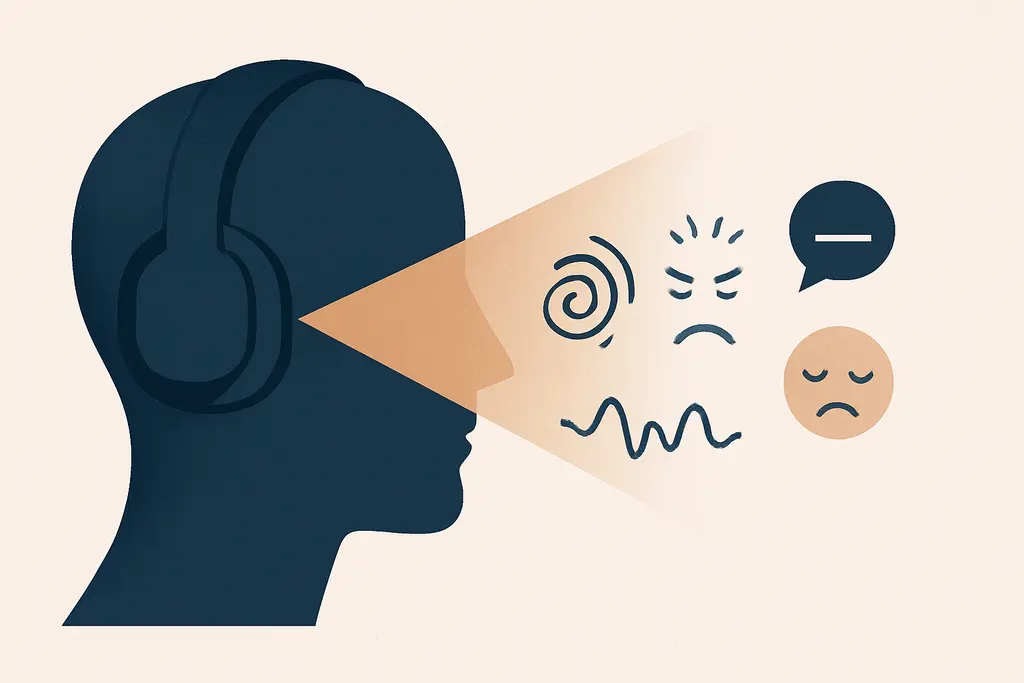
At its core, emotional labor burnout is the specific wear-and-tear that follows long-term emotional regulation required by a job. Unlike general fatigue, it centers on sustained emotional effort: surface acting (putting on an emotion) and deep acting (trying to change how you feel) until the worker has fewer emotional resources left.
This pattern is about the gap between required emotional display and the worker's private feelings. When that gap persists, the person can become depleted even if their objective workload hasn't increased.
How the pattern gets reinforced
When these factors combine—high demand to display certain emotions plus limited recovery or acknowledgement—emotional labor becomes chronic rather than occasional. Teams then normalize the suppression of emotion, which makes exhaustion invisible.
**Role expectations:** Jobs that demand friendliness, emotional neutrality, or cheer (customer service, care roles, sales) make regulated expression part of the job.
**Cultural norms:** Team norms that reward constant positivity or punish honest frustration encourage masking emotions.
**High emotional frequency:** Repeated short interactions (e.g., call centers) or intense interactions (e.g., crisis teams) both accelerate depletion.
**Low recovery opportunities:** Few breaks, no time to debrief after hard conversations, and blurred work–life boundaries prevent emotional replenishment.
**Performance metrics that ignore emotional cost:** KPIs focused only on speed or satisfaction scores can sustain patterns of surface acting.
Operational signs
These signs are often intermittent and easy to misattribute to a bad day. Over time they cluster into lowered initiative, higher absenteeism, and difficulty maintaining customer relationships.
Reduced patience with routine tasks and colleagues.
Mechanical or forced smiles and scripted responses that feel hollow.
Decreased emotional availability for teammates (appearing checked-out or distant).
Small errors or missed cues in conversations because mental energy is spent on appearing calm.
Withdrawal from mentoring or conflict because those situations demand extra emotional labor.
A quick workplace scenario
A mid-level account manager who has always been upbeat starts declining client lunches and answers emails tersely. Their delivery remains on-time, but during team planning they stop contributing creatively. They say they’re "fine," but their manager notices fewer check-ins and a rise in curt replies to colleagues. This is emotional labor burnout unfolding: the account manager can perform tasks yet lacks the emotional bandwidth to maintain the relational work the role expects.
Moves that actually help
None of these steps requires medical intervention; they are workplace design and management choices that reduce the steady demand to mask or manufacture emotions. When leaders normalize conversation about emotional cost and provide structure for recovery, employees regain capacity to do the relational side of their jobs without burning out.
**Acknowledge emotional work:** Explicitly recognize emotional labor in role descriptions, performance conversations, and planning meetings.
**Adjust expectations:** Balance quantitative KPIs with measures that account for relational effort (e.g., debrief time, client complexity adjustments).
**Create recovery rituals:** Scheduled breaks, rotation out of high-intensity tasks, and brief team debriefs after difficult interactions.
**Train for emotional skills:** Provide coaching on emotion regulation strategies that emphasize deep acting where appropriate and healthy boundaries.
**Offer practical support:** Peer coaching, access to employee assistance programs, and protected time to manage high-emotion cases.
Where it gets confused and related patterns worth separating from it
- Surface acting vs deep acting: Surface acting (pretending) tends to produce more immediate exhaustion, while deep acting (trying to feel the required emotion) can be less draining but still costly over time.
- General burnout vs emotional labor burnout: General burnout often relates to workload and control. Emotional labor burnout specifically ties to chronic emotion regulation demands even when workload seems stable.
- Compassion fatigue and vicarious trauma: These relate to exposure to others' suffering; they can co-occur with emotional labor burnout but are distinct in source and typical emotional profile.
Common misreads include labeling the pattern as "attitude problems," assuming it will resolve if someone simply "tries harder," or treating it as only a mental-health issue rather than an organizational design issue. Those misreads delay practical changes in role design and supervision.
A careful separation helps teams identify the right response. For instance, rotating tasks will help emotional labor depletion but won’t address a systemic lack of autonomy that drives general burnout.
Questions worth asking before acting
- Which roles require sustained emotional display, and how is that accounted for in workload planning?
- Are recovery and debriefing built into schedules after high-emotion shifts?
- What norms exist about expressing frustration or asking for help—do people fear being labeled unprofessional?
- Do our KPIs create incentives to prioritize surface acting (speed, scripted responses) over sustainable relationships?
Answering these clarifies whether the issue is individual, team-cultural, or structural. Interventions aimed at people only (e.g., resilience training) are less effective if the work design continues to demand unrecoverable levels of emotional regulation.
Short checklist for a first-month action plan
- Audit roles for emotional demand and flag high-risk positions.
- Add recovery time after predictable emotional peaks (end of day, after difficult calls, etc.).
- Update performance conversations to include emotional workload and debrief needs.
- Pilot role rotation or buddy-debriefs in one team and measure engagement and client feedback.
These steps let managers test changes quickly and gather evidence before wider rollout. Small, visible adjustments often change norms and make emotional labor costs easier to manage.
Related topics worth exploring
These suggestions are picked from nearby themes and article context, not just a flat alphabetical list.
On-Call Burnout
On-call burnout is the cumulative mental and physical strain from repeated after-hours responsibility; learn how it appears, why it persists, and practical fixes for teams.
Burnout rumination
How recurring, work-focused negative thinking drains teams, how it shows up, why it persists, and practical manager actions to reduce it.
Post-project burnout
A practical guide to post-project burnout: how the post-delivery slump shows up, why it persists, and concrete manager steps to restore team energy and follow-through.
Burnout recovery guilt
Burnout recovery guilt is the shame or hesitation people feel when returning from burnout. It shows as secrecy, overcompensation, and reluctance to use supports; clarified expectations and visible bou
Re-entry burnout after leave
When employees return from extended leave and face overload, confusion, or exhaustion—how it shows up, why it happens, and practical manager steps to ease the transition.
Boundary erosion burnout
A manager-focused guide to boundary erosion burnout: how blurred work/life lines build up, how it shows in team behaviour, and practical first steps to restore healthy boundaries.