Working definition
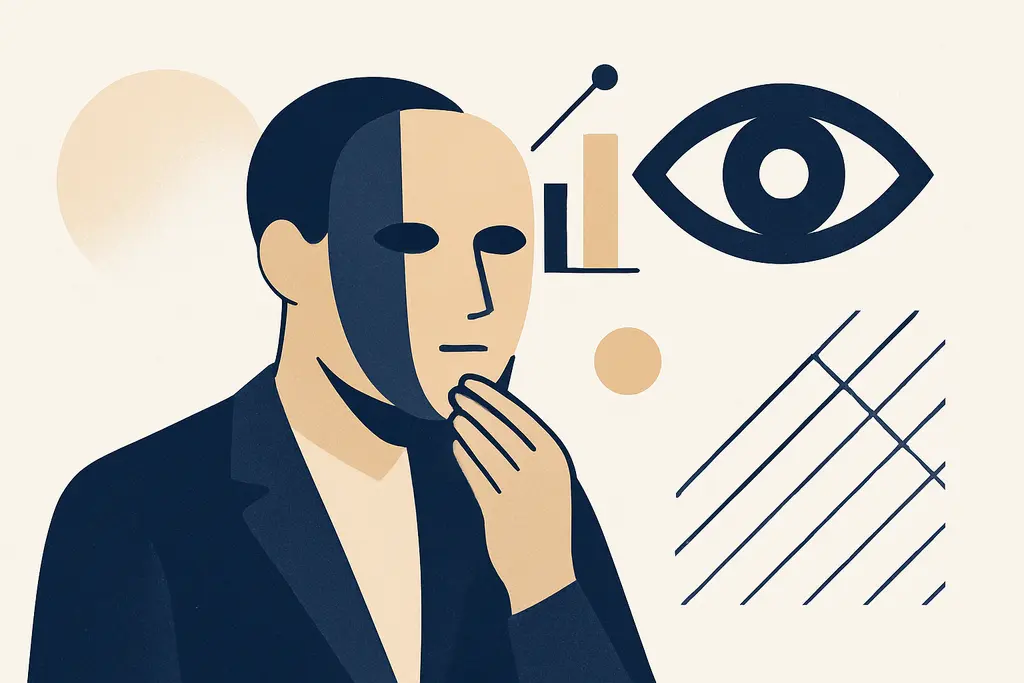
This is a pattern where an employee avoids or withdraws from situations that increase exposure to coworkers, leaders, or measurable results. It is not simply shyness; it often involves worry about evaluation, mistakes, or being judged when performance is visible.
It can be intermittent (coming and going depending on context) or persistent across meetings and relationships. The behavior shows up in choices about meetings, presentations, volunteering for projects, or responding to feedback.
Key characteristics:
These features make it practical to spot and address at the team level: visibility is a workplace resource and fear of it changes who gets opportunities.
How the pattern gets reinforced
These drivers combine differently for each person, so observable behavior can reflect one or several of the above rather than a single cause.
**Cognitive:** concerns about being evaluated, perfection expectations, or fear of making mistakes
**Social:** past negative feedback, peer comparison, or lack of role models for visible behaviors
**Cultural:** team norms that punish risk, blur lines between critique and personal attack, or reward only flawless output
**Structural:** unclear criteria for success, opaque promotion processes, or high-stakes public reviews
**Interpersonal:** unsupportive managers, pronounced hierarchy, or cliques that exclude some voices
**Situational:** recent failure or public critique that increased sensitivity
Operational signs
These signs are observable and measurable by patterns in behavior, not by inferring internal states; tracking them helps align support and opportunity distribution.
Minimal participation in meetings; preferring chat or email instead of speaking
Declining invitations to present, lead projects, or be client-facing
Waiting to be assigned tasks rather than volunteering
Submitting work late after excessive polishing to avoid interim visibility
Answering questions indirectly or using qualifiers to soften statements
Reluctance to take credit; attributing success to group or luck
Seeking private feedback rather than engaging in public appraisal
Over-reliance on written updates rather than brief verbal check-ins
Avoiding one-on-ones that touch on career visibility or promotion timelines
Sudden drop in contributions after a public critique or project setback
A quick workplace scenario
During a product review, a senior engineer repeatedly defers questions and routes technical explanations to a teammate. In the weeks after, they avoid client demos and ask to be taken off a public roadmap presentation. The team lead schedules a short prep session and an invitation to present a low-stakes update to rebuild exposure safely.
Pressure points
Recognizing triggers helps leaders schedule interventions before avoidance patterns harden.
Public performance reviews or all-hands feedback sessions
High-stakes client presentations or external demos
Sudden spotlight after a successful product launch
New role or promotion that increases scrutiny
Recent critical feedback delivered publicly
Ambiguous expectations about what visible success looks like
Competitive recognition programs that single out individuals
Meetings with senior leaders or cross-functional stakeholders
Moves that actually help
These steps are practical for leaders and colleagues to implement quickly. Small, consistent adjustments reduce the affordances for avoidance and build a predictable path toward more visible responsibilities.
Normalize visibility as a skill to build, not a marker of innate worth
Offer incremental exposure: start with short updates, then extend scope
Provide structured rehearsal: agendas, time limits, and clear goals for visible tasks
Use paired or co-presenting formats so no one faces the room alone
Create safe feedback rules: focus on observable behavior and next steps, not character
Set clear success criteria for visible tasks so evaluation feels fair and transparent
Rotate visible roles so exposure is routine, not exceptional
Celebrate small wins publicly and attribute development, not just outcomes
Coach managers to give private, balanced feedback before public discussion
Use written recognition if verbal spotlight feels too intense initially
Adjust KPIs to value contribution channels beyond public speaking
Monitor workload to avoid over-polishing that delays visibility
Related, but not the same
Impostor syndrome — Connected: both involve worry about being exposed as inadequate; differs because impostor thoughts focus on internal beliefs about competence, while fear of visibility centers on avoiding public exposure of work.
Psychological safety — Connected: low psychological safety makes visibility riskier; differs because psychological safety is a team climate, whereas fear of visibility is an individual's behavioral response within that climate.
Spotlight effect — Connected: the cognitive tendency to overestimate others' attention can amplify visibility fear; differs by being a perception bias rather than a workplace behavior pattern.
Perfectionism — Connected: perfectionist standards can cause people to avoid showing imperfect work; differs because perfectionism is a trait influencing many behaviors beyond visibility.
Performance avoidance — Connected: both involve avoiding situations where performance is judged; differs because performance avoidance is a broader motivation pattern that can include hiding effort, not just visibility.
Feedback sensitivity — Connected: heightened reaction to feedback often underlies visibility avoidance; differs as a reactive trait rather than the avoidance behavior itself.
Introversion — Connected: introverts may prefer low-visibility modes; differs because being introverted is not inherently fearful of visibility and can coexist with confident public performance.
Role ambiguity — Connected: unclear expectations about visible tasks can trigger avoidance; differs because role ambiguity is an environmental factor rather than an individual's response.
When the issue goes beyond a quick fix
Consider using employee assistance programs or occupational health channels to connect employees with qualified professionals if needed.
- When fear of visibility causes significant impairment in role performance or career progression
- If avoidance leads to sustained absenteeism, conflict, or severe decline in work quality
- When emotional reactions to visibility (e.g., panic, withdrawal) are intense and persistent
Related topics worth exploring
These suggestions are picked from nearby themes and article context, not just a flat alphabetical list.
Visibility gap anxiety
Visibility gap anxiety: the worry that good work goes unseen. Learn how it forms at work, how it shows up, and practical manager actions to reduce it.
Recognition Aversion
Recognition aversion is when employees avoid public praise; learn how it shows up, why it develops, how managers misread it, and practical ways to acknowledge contributions without harm.
Peer success self-doubt
When a colleague’s win makes someone doubt their own ability, managers can misread retreat as low performance; learn signs, causes, and practical steps to respond.
Competence debt
Competence debt is the accumulated gap between what roles require and the team's real skills—showing as repeated errors, bottlenecks, and stalled decisions—and how managers can map and reduce it.
Comparison Spiral
How repeated workplace comparisons erode confidence and participation, what sustains the cycle, and practical manager steps to interrupt it.
Skill attribution bias
Skill attribution bias: the workplace tendency to credit or blame ability instead of context—how it shows up, why it persists, and practical steps to make fairer assessments.