What this pattern really means
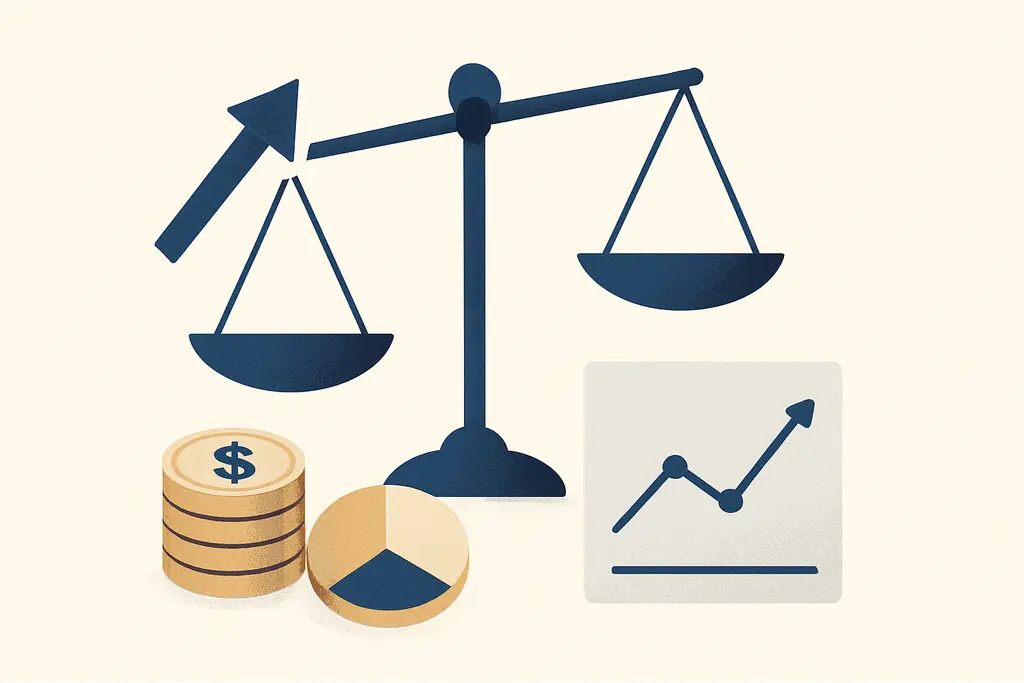
Lifestyle inflation resistance is the tendency for someone to keep their spending habits steady instead of upgrading living standards when their income or workplace rewards rise. In a work context, that can mean declining perk upgrades, saving bonuses instead of spending them on conveniences, or opting out of higher-cost benefit tiers even when offered.
The phenomenon is neither rare nor pathological; it’s a behavioral preference shaped by values, habits, and how incentives are presented. It intersects with workplace systems because compensation changes, promotions, and perks are designed to change behavior and increase engagement—resistance shifts those dynamics.
Key characteristics:
People showing this pattern often influence peer norms and can affect the measured impact of incentive programs.
Why it tends to develop
These drivers combine differently across individuals and cultures, and they interact with how organizations present compensation and benefits.
**Anchoring:** past spending habits become a reference point, so increases feel unnecessary
**Values alignment:** prioritizing security, freedom, or goals over consumption
**Skepticism about change:** doubt that higher income will last or that perks are sustainable
**Loss aversion:** perceiving upgrades as riskier than maintaining the status quo
**Norms and peer comparison:** workplace culture that favors modesty or saving
**Environmental cues:** easy access to low-cost alternatives reduces pressure to spend
**Design of incentives:** rewards framed as conditional or temporary reduce willingness to spend
What it looks like in everyday work
These signs help managers and reward designers recalibrate expectations and test alternative incentive structures.
Employees decline or ignore optional benefit upgrades even when subsidized
Lower-than-expected enrollment in premium health/dental tiers or commuter programs
Bonuses routed to savings accounts rather than used for lifestyle purchases
Hesitance to accept promotions that require higher fixed costs (e.g., relocation, commuting)
Underutilization of company perks framed as status-enhancing (executive lounges, upgraded travel)
Consistent requests for flat cash components instead of stock/options or deferred pay
Teams push back on perks that increase ongoing costs (office snacks, upgraded workstations)
Performance dashboards show little change in spending-related KPIs after compensation increases
Conversation patterns that emphasize stability and predictability over visible consumption
Managers note lower voluntary attrition but also lower engagement with reward-driven programs
What usually makes it worse
A raise, bonus, or new commission plan rolled out without clear long-term framing
Introduction of tiered benefits that require employee buy-in or additional contribution
Promotion that brings higher salary but also higher fixed costs (travel, relocation, social expectations)
Rollout of prestige perks (executive dining, upgraded offices) that highlight status differences
Public recognition tied to visible consumption (company-paid travel, awards)
Economic uncertainty or recent layoffs, increasing caution about spending
Peer conversations celebrating frugal choices or long-term saving goals
Complicated benefit enrollment processes that favor defaulting to simpler options
Shift from cash compensation to equity or deferred rewards
What helps in practice
These steps prioritize clarity and choice, helping incentives work for people who resist lifestyle inflation while preserving program objectives.
Offer flexible reward options: let employees choose between cash, perks, or savings-focused alternatives
Use defaults thoughtfully: set enrollment defaults that respect both uptake and autonomy
Segment programs: provide both immediate, low-commitment perks and longer-term rewards
Frame incentives in terms of choice and security rather than status or consumption
Pilot smaller, reversible perks to test uptake before scaling
Collect feedback and use usage data to redesign benefits that match real preferences
Communicate the duration and conditions of rewards clearly to reduce skepticism
Provide plain-language comparisons showing total compensation differences without pressuring spending
Train managers to discuss rewards in goal-aligned conversations, not as expectations to spend
Monitor how KPIs shift after compensation changes and adjust targets accordingly
Allow opt-outs and portability for benefits so employees retain control
Encourage peer-sharing of different reward uses to normalize diverse choices
A simple self-check (5 yes/no questions)
- Do you usually keep your spending steady after getting a raise?
- Do you prefer cash bonuses over perk packages or equity?
- Do you often decline higher-tier benefits even when subsidized?
- Do offers of upgraded status or comfort make you uncomfortable or skeptical?
- Do you prioritize long-term goals over short-term lifestyle upgrades?
If you answered "yes" to several items, that pattern aligns with lifestyle inflation resistance and may affect how you respond to workplace incentives.
Nearby patterns worth separating
Pay compression: relates to how small differences in pay affect motivation; differs because compression is structural while lifestyle resistance is behavioral
Total rewards design: connects to how compensation mixes (cash, equity, perks) are packaged; differs as design is organizational while resistance is individual response
Behavioral inertia: similar in that past habits persist; differs because inertia is a broader tendency, while lifestyle inflation resistance specifically concerns spending after income change
Loss aversion: ties into why people avoid perceived downsides of changing lifestyle; differs because loss aversion is a cognitive bias underlying the resistance
Benefit take-up rates: directly connected as a measurable outcome; differs because take-up is an observed metric, resistance explains why take-up may be low
Choice architecture: connects to how defaults and presentation shape decisions; differs because choice architecture is the intervention space
Social norms at work: related because peer behavior influences spending choices; differs since norms are group-level forces that interact with individual resistance
Promotion paradox: connects when promotions increase costs; differs by focusing on the career move itself rather than spending habits
Savings culture: related cultural factor that encourages resistance; differs because culture is an environmental driver rather than an individual's decision rule
Compensation transparency: connects because clarity can reduce skepticism; differs as transparency is a policy lever, not the behavioral outcome
When the situation needs extra support
Consult a qualified professional—HR, organizational psychologist, or licensed counselor—when the pattern affects wellbeing or work outcomes.
- If workplace stress, anxiety, or decision paralysis around rewards meaningfully interferes with job performance or relationships
- If uncertainty about compensation structures is causing significant financial or career distress—consider speaking with HR, a career coach, or a qualified financial counselor
- If persistent conflict arises between team expectations around perks and individual choices, and it harms team functioning
Related topics worth exploring
These suggestions are picked from nearby themes and article context, not just a flat alphabetical list.
Lifestyle inflation triggers
How small perks, visible upgrades, and social comparisons at work raise expectations over time — and practical steps managers can use to stop slow escalation of costs and norms.
Lifestyle Creep Trap
How small pay and perk increases become permanent workplace expectations, why incentives and social signals fuel them, and practical steps leaders can use to stop rising baseline costs.
Salary negotiation fear
Fear of asking about pay that leads people to accept offers or stay silent; explains causes, everyday signs, misreads, and practical workplace fixes.
Investment paralysis
Investment paralysis is the habit of repeatedly postponing resource commitments at work, causing stalled projects, lost momentum, and missed learning opportunities.
Frugality guilt
Frugality guilt is feeling ashamed to spend workplace money; it delays purchases, hides needs, and can be reduced by clearer rules, visible budgets, and reframed leadership signals.
Small-fee aversion
When tiny charges trigger outsized resistance at work, managers should treat the objection as social and procedural, not merely economic—then reframe or centralize the fee.