Quick definition
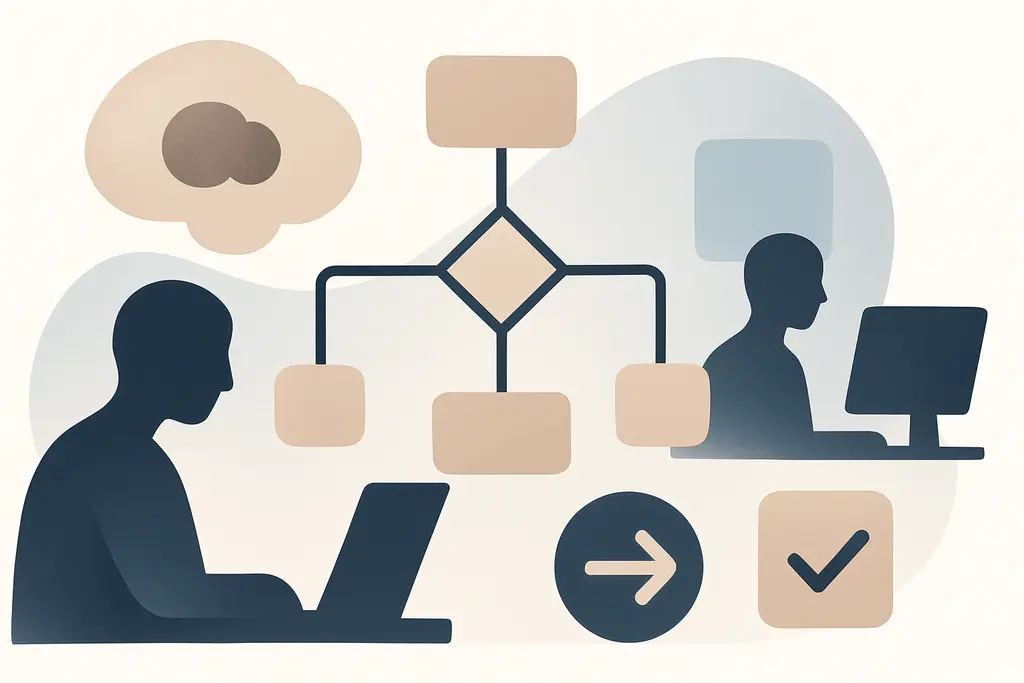
Attention residue is the mental leftover that remains when you move from one task or goal to another before the mind has fully disengaged. It is not a medical condition; it's a predictable cognitive effect produced by switching tasks, interruptions, and unfinished goals.
When residue is present you may find that some of your attention is still preoccupied with the previous item—planning next steps, replaying a conversation, or worrying about outcomes—while you are trying to do something else. Over time, repeated switches build up these small losses of focus and reduce sustained concentration.
Managing attention residue is about reducing the frequency and impact of these carryover thoughts so you can re-engage quickly and do higher-quality work. Simple practices and workplace changes can reduce residue and make transitions smoother.
Underlying drivers
Cognitive task-switching costs: the brain needs time to reconfigure goals and retrieve a new task set
Unfinished goals: unresolved action items keep mental resources tied up
External interruptions: messages, calls or colleagues disrupt focus and leave fragments
Multitasking expectations: organizational norms encourage juggling which increases residue
Environmental cues: open-plan noise, frequent notifications and competing stimuli
Social and accountability pressures: needing to respond quickly to others keeps attention split
Observable signals
Slow start after meetings: it takes several minutes to get back to focused work
Re-checking previous tasks: repeatedly opening the same email or doc after switching
Fragmented work sessions: lots of short fragments instead of sustained periods
Increased follow-up notes: leaving more reminders because you didn’t fully process the task
Trouble prioritizing: unclear what to finish first because several tasks feel urgent
Mistakes from partial attention: small errors that occur when attention is divided
Meeting hangover: thinking about the last meeting’s points while trying to do a different job
Constant context toggling between apps or projects without completing any
High-friction conditions
Back-to-back meetings with no buffer time
New, high-priority messages or notifications arriving during focused work
Switching between different client or project contexts in the same hour
Unclear task handoffs or expectations that leave tasks incomplete
Open-plan interruptions from colleagues or spontaneous chats
Juggling administrative tasks with creative work in the same block
Multitasking during calls (e.g., reading email while on a meeting)
Rapid priority changes from managers or stakeholders
Practical responses
Time-block: reserve uninterrupted blocks for single-task work and mark them on your calendar
Add transition buffers: schedule 5–15 minute gaps between meetings to close items and reset
Capture and externalize: use a quick capture tool (notepad, app) to record leftover thoughts and next steps
Use a brief transition ritual: spend 1–3 minutes closing or summarizing a task before switching (e.g., checklist, note)
Batch similar tasks: group related activities to reduce context switching costs
Silence nonessential notifications during deep work windows
Communicate boundaries: tell colleagues when you’re in focused time and set expectations for response
End meetings with clear next steps and owner assignments to reduce unresolved follow-ups
Schedule “recovery” time after intense work for administrative wrap-up
Keep short, consistent checklists for routine tasks to speed re-entry after switches
Use visual cues for task status (e.g., Kanban, flags) so partial tasks are easier to pick up later
Often confused with
Task switching costs — the cognitive expense that creates attention residue when changing tasks
Context switching — changing work context (tools/clients) increases residue and slows re-engagement
Deep work — prolonged, uninterrupted focus that minimizes attention residue
Cognitive load — total mental effort; high load makes residue effects stronger
Flow state — a focused state disrupted by residue and interruptions
Attention economy — workplace technologies and norms that compete for limited attention
Time blocking — a practical scheduling method to reduce switching and residue
Interruption science — study of how interruptions affect performance and attention
When outside support matters
- If persistent attention problems cause significant impairment in job performance or safety, discuss workload and adjustments with HR or a manager
- If stress, overwhelm or concentration problems are severe or worsening, consider consulting an occupational health professional or qualified clinician for assessment
- For workplace accommodation or long-term workload planning, speak with an HR representative or an occupational therapist
Related topics worth exploring
These suggestions are picked from nearby themes and article context, not just a flat alphabetical list.
Focus residue recovery
How leftover attention from one task slows the next—and practical steps managers and teams can use to clear it, from short buffers to one‑line handoffs.
Inbox zero myth
Why aiming for an empty inbox is often symbolic, how it shapes daily work behavior, common confusions, and practical fixes to reduce busywork and distraction.
Notification anxiety
Notification anxiety is the anticipatory stress about pings and messages at work — it fragments focus, shapes habits, and can be reduced by norms, batching, and targeted notification settings.
Deep Work for Managers
How managers create, protect, and scale focused, high-value work time—practical steps, pitfalls, and examples for turning attention into better decisions and fewer interruptions.
Decision batching
Decision batching groups similar workplace choices into scheduled sessions; it can boost focus and consistency but also cause delays and bottlenecks if misused.
Visual task queueing
How visible lines of work—sticky notes, Kanban columns, inbox piles—shape focus and coordination at work, why they form, and practical ways to manage them.