What this pattern really means
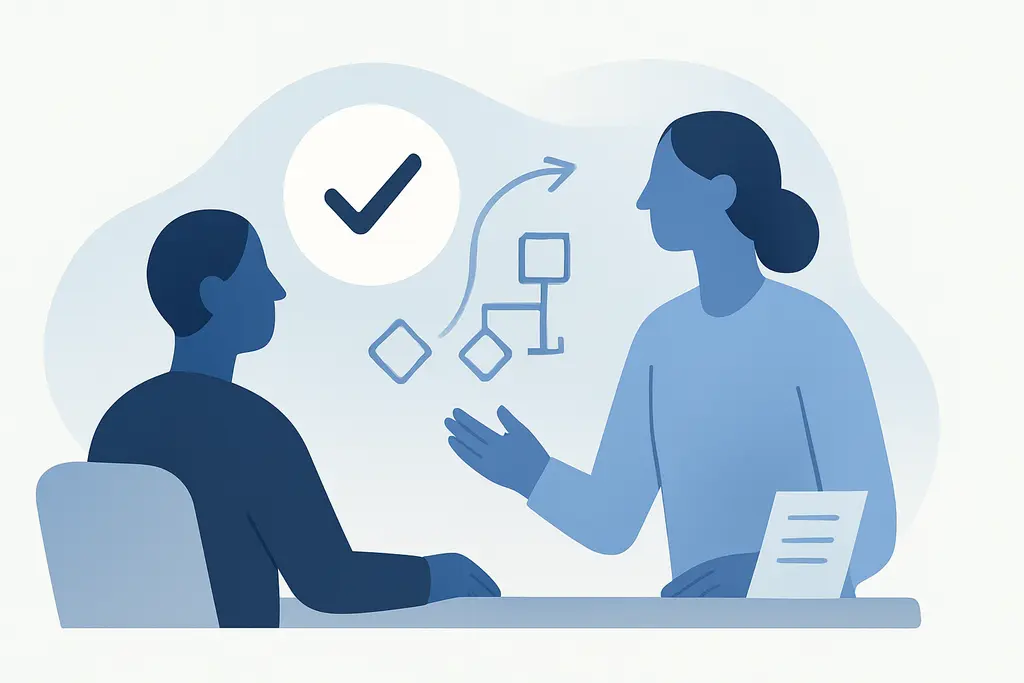
Micro-affirmations are brief, low-cost behaviors or cues that communicate respect, inclusion, and belief in someone's potential. They are not formal praise or official recognition programs; instead they are short, repeatable acts that signal trust and validation. Over time, these moments accumulate and help build a person's on-the-job confidence and willingness to engage.
They matter because they reduce uncertainty about belonging and competence in everyday interactions. While a private coaching conversation or a promotion is high-impact, micro-affirmations operate continuously: a nod, an invitation to speak, or a quick follow-up can reinforce positive perceptions and make risk-taking less daunting.
Key characteristics:
These features make micro-affirmations practical to embed into daily routines and meeting habits. They work best when they’re sincere and aligned with observable actions rather than vague flattery.
Why it tends to develop
**Cognitive bias:** people rely on quick mental shortcuts and may not give explicit, balanced feedback unless prompted
**Social proof:** when others are quiet, observers assume silence is the norm and withhold affirming signals
**Time pressure:** fast-paced schedules push interactions to task completion rather than relational cues
**Role ambiguity:** when responsibilities aren’t clear, affirmations that clarify capability are missing
**Norms and culture:** environments that value only big wins tend to minimize small encouragements
**Feedback systems:** formal performance reviews focus on deficits, leaving day-to-day reinforcement absent
**Power distance:** perceived hierarchy can reduce spontaneous affirmation from higher-status to lower-status individuals
What it looks like in everyday work
These signs point to missed opportunities: the physical behaviors are minor but their absence changes who speaks up and who stretches for new responsibilities. Observing these patterns helps identify where simple shifts would increase participation.
Team members repeat ideas only after a more senior person endorses them
Quiet contributors are overlooked during Q&A or decision points
Few brief acknowledgements after good suggestions (no nod, no follow-up)
Meeting agendas prioritize tasks with little recognition of effort or learning
One-on-one check-ins focus solely on problems, not on what went well
People hesitate to volunteer for stretch work despite capability
Public credit is given inconsistently; small wins go unnoticed
Hand-offs lack explicit confidence signals (no “I trust you to own this”)
A quick workplace scenario (4–6 lines, concrete situation)
During a weekly sync, a mid-level contributor proposes a pragmatic change to a process. The room goes quiet; a higher-status attendee repeats the idea and receives praise. Later, a short follow-up email from a project coordinator affirms the contributor's role and asks them to draft the first version—this small step prompts the contributor to take ownership and build credibility.
What usually makes it worse
Fast-moving meetings with packed agendas that leave little space for acknowledgement
Newcomers joining projects where social bonds are already formed
High-stakes reviews that focus only on gaps and risks
Remote or hybrid setups where nonverbal cues are reduced
Cultural norms that prize stoicism or self-sufficiency
Siloed teams where contributions aren’t visible outside the immediate group
Stressful deadlines that prioritize output over process
Unclear decision rights that lead people to second-guess participation
What helps in practice
Practical shifts like these reduce the cognitive load of affirming others and create predictable moments where confidence can be reinforced. They’re low-cost and can be tested in short cycles.
Schedule a 2-minute roll-call in meetings for quick recognition of progress
Model a specific affirmation script: name the action, state its value, invite next steps
Set an agenda item titled “one small win” to normalize micro-affirmations
Encourage written micro-affirmations (short messages or comments) that create a record
Reserve speaking time so quieter voices are invited to contribute first
Use follow-up tasks that explicitly delegate ownership with trust language
Build a checklist for inclusion behaviors in meeting facilitation notes
Collect and share examples of micro-affirmations that worked to make them replicable
Add a brief recognition prompt to one-on-ones: “What did they do well this week?”
Rotate facilitation roles so different people practice affirming peers
Track participation patterns to see if small changes increase diverse contributions
Nearby patterns worth separating
Psychological safety — connected: both support participation, but micro-affirmations are specific behaviors that build psychological safety incrementally
Inclusive communication — overlaps: inclusive communication is a broader style; micro-affirmations are concrete acts within that style
Feedback culture — differs: feedback culture often targets performance improvement; micro-affirmations emphasize recognition and potential in the moment
Recognition systems — connects: formal recognition programs reward outcomes, while micro-affirmations reward process and effort continuously
Social learning — relates: micro-affirmations encourage modeling and repetition that others can emulate
Onboarding rituals — ties in: onboarding rituals can pre-seed micro-affirmation habits to help new joiners settle faster
When the situation needs extra support
- If workplace dynamics cause persistent distress or interfere with daily functioning, consult your organization’s employee support resources
- Consider involving HR or an organizational development specialist when patterns of exclusion are systemic
- If individuals report significant anxiety or reduced capacity outside work, encourage a referral to a qualified mental health professional
Related topics worth exploring
These suggestions are picked from nearby themes and article context, not just a flat alphabetical list.
Micro-impostor thoughts
Small, situational self-doubts that make capable employees hesitate, silence themselves, or over-prepare; practical manager approaches to spot and reduce them.
Quiet Confidence Building
Quiet confidence building is the gradual, low‑visible growth of workplace competence—how it develops, how to spot it, and practical ways teams and leaders support it.
Confidence scaffolding for new managers
Practical supports and routines that help first-time managers grow steady confidence—how it shows up, why it forms, what helps, and how leaders can scaffold (and remove) it.
Confidence calibration for career decisions
Practical guidance on aligning confidence with real readiness when choosing jobs, promotions, or stretch roles—how it shows up, why it happens, and steps to improve calibration.
Confidence Rebound After Failure: getting back on track
Practical guidance for managers to restore team confidence after failure—signs, causes, common misreads, and concrete early steps to get people back on track.
Recognition Aversion
Recognition aversion is when employees avoid public praise; learn how it shows up, why it develops, how managers misread it, and practical ways to acknowledge contributions without harm.