Quick definition
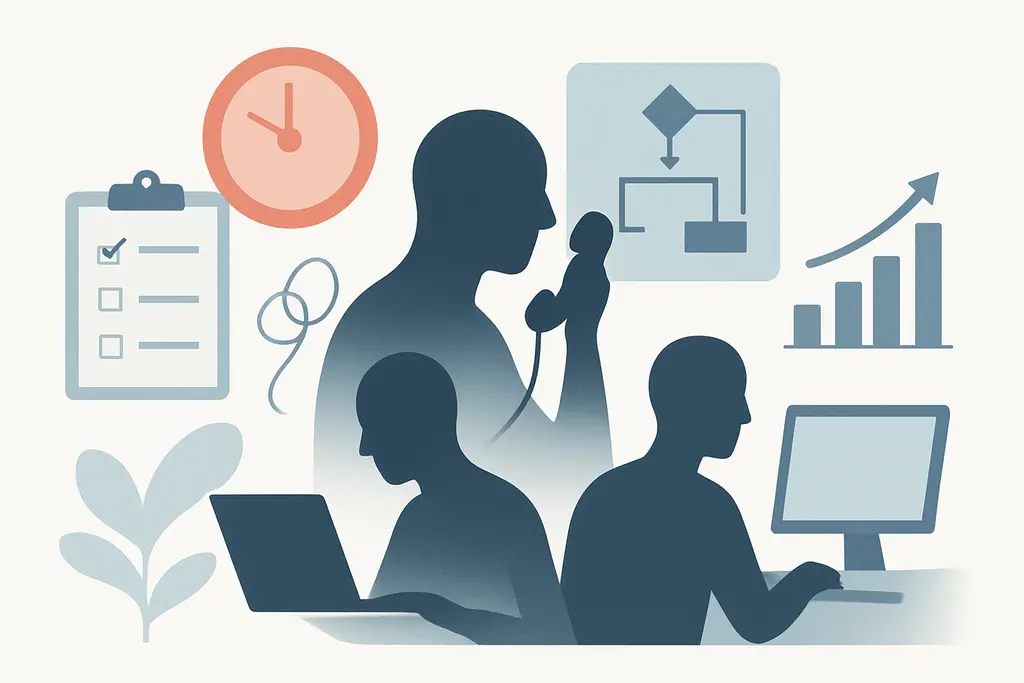
The phrase highlights the gap between the perception of multitasking and actual performance. People often feel productive when juggling email, meetings, and project work, but attention is divided rather than multiplied. Cognitive resources like working memory and attention are limited, so moving between tasks usually introduces a switch cost: extra time and mental effort required to reorient.
Multitasking can mean different things depending on the tasks involved. Simple parallel actions, like walking and talking, are different from trying to write a report while participating in a strategy call. The latter typically forces short, frequent context shifts that reduce depth of thought and increase omissions.
Recognizing the difference between perceived busyness and real productive output is key. Teams that reward constant availability may unintentionally encourage multitasking habits that undermine long term performance and quality.
Underlying drivers
Cognitive illusion of productivity: finishing small tasks feels rewarding and signals progress
Attention capture by notifications, messages, and visual stimuli
Social expectation to be responsive to colleagues, clients, and leaders
Environmental fragmentation from open offices, remote work, or shared spaces
Technology design: apps and email encourage frequent checking
Poor task prioritization or unclear goals that make switching seem necessary
Time pressure and deadlines that create panic and task-splitting
Observable signals
Juggling email, chat, and a meeting at the same time
Drafts left unfinished and then reworked multiple times
Repeated requests to clarify work that should have been complete
Tasks taking longer than estimated despite constant activity
Frequent context switching within short time spans (every few minutes)
Mistakes discovered late in a process or near delivery
Long to-do lists with many half-completed items
Team members appearing busy but delivering inconsistent outcomes
Relying on memory to hold details across interruptions
High-friction conditions
Constant notifications from email, chat, project tools, and phones
Back-to-back meetings that leave no time for focused work
Expectations to be immediately responsive to messages
Low clarity about priorities or shifting goals from leadership
High volume of small, interrupting tasks like approvals or reviews
Working in shared or noisy environments with frequent interruptions
Trying to multitask during meetings to catch up on other work
Tight deadlines that encourage cutting attention into pieces
Practical responses
Time block focused work periods on your calendar and protect them
Batch similar tasks together (email blocks, review blocks, creative blocks)
Turn off non-essential notifications during deep work sessions
Set meeting norms: agendas, no multitasking requests, and defined objectives
Use short, timed focus methods like 25-50 minute sprints with breaks
Communicate availability windows to teammates to reduce ad hoc interruptions
Prioritize tasks by impact and deadline to avoid false urgency
Create a simple start/stop ritual to shift into focused work (clear desk, close tabs)
Delegate or triage small tasks to reduce context switching
Keep a scratch pad for quick notes so you can resume work without losing detail
Schedule short catch-up slots rather than reacting constantly throughout the day
Review weekly output versus hours spent to spot hidden inefficiencies
Often confused with
Task switching: the process often mistaken for effective multitasking; switching has a time cost
Attention residue: leftover thoughts about a previous task that reduce focus on the next
Deep work: sustained, distraction-free work that contrasts with fragmented multitasking
Cognitive load: the amount of mental effort in a moment, which multitasking increases
Flow state: a focused condition disrupted by frequent switching and interruptions
Information overload: excess input that encourages skimming and rapid task flipping
Decision fatigue: many small choices throughout the day that worsen when multitasking
Pomodoro technique: a time-management method that supports single-task focus
Context switching cost: measurable delays and errors caused by jumping between tasks
Work fragmentation: structural patterns in organizations that make sustained focus difficult
When outside support matters
- If stress or overwhelm tied to multitasking is persistent and significantly interferes with work or wellbeing, consider discussing with a qualified workplace coach, manager, or occupational health professional
- If workplace systems or role expectations consistently demand unsafe or unsustainable multitasking, raise the issue with HR or an organizational psychologist for systemic solutions
- For ongoing anxiety, sleep disruption, or functional impairment linked to work overload, consult a licensed healthcare professional for assessment and guidance
Related topics worth exploring
These suggestions are picked from nearby themes and article context, not just a flat alphabetical list.
Inbox zero myth
Why aiming for an empty inbox is often symbolic, how it shapes daily work behavior, common confusions, and practical fixes to reduce busywork and distraction.
Notification anxiety
Notification anxiety is the anticipatory stress about pings and messages at work — it fragments focus, shapes habits, and can be reduced by norms, batching, and targeted notification settings.
Deep Work for Managers
How managers create, protect, and scale focused, high-value work time—practical steps, pitfalls, and examples for turning attention into better decisions and fewer interruptions.
Focus residue recovery
How leftover attention from one task slows the next—and practical steps managers and teams can use to clear it, from short buffers to one‑line handoffs.
Decision batching
Decision batching groups similar workplace choices into scheduled sessions; it can boost focus and consistency but also cause delays and bottlenecks if misused.
Visual task queueing
How visible lines of work—sticky notes, Kanban columns, inbox piles—shape focus and coordination at work, why they form, and practical ways to manage them.