Quick definition
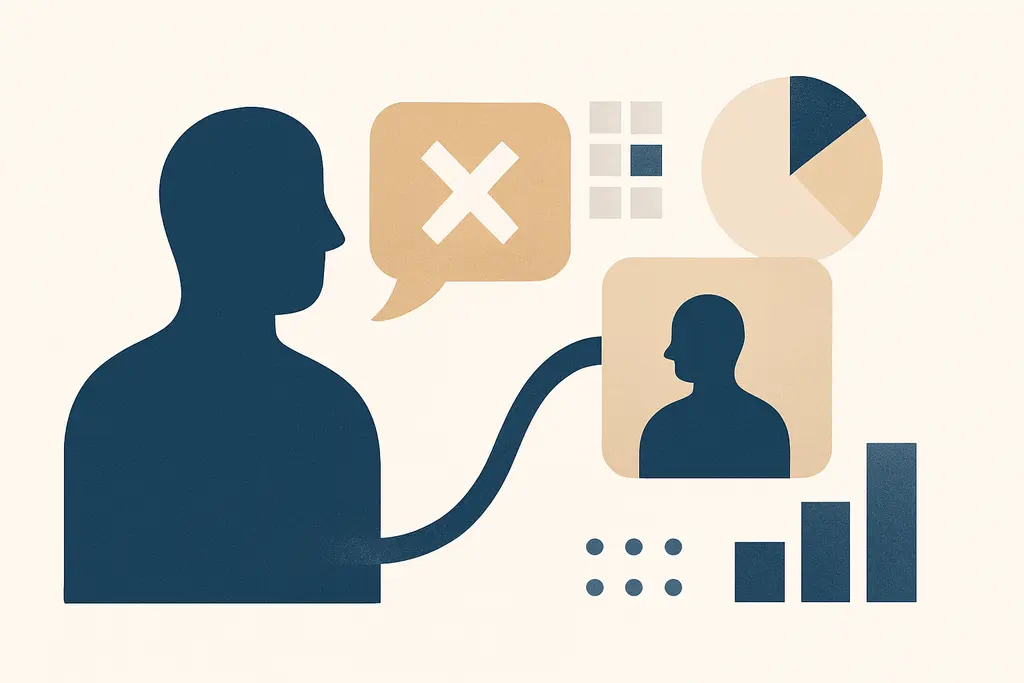
This pattern describes a consistent tendency in workplaces to correct or call out mistakes in group settings (meetings, channels, or in front of peers) while offering compliments, appreciation, or praise one-on-one. It creates a visible balance of accountability (public) and encouragement (private), but the asymmetry carries social and practical consequences.
Public criticism vs private praise effects often include:
These features combine to shape what people pay attention to and how they present their work. Over time the pattern sets expectations about where recognition and correction will occur and who controls those contexts.
Underlying drivers
**Accountability motives:** correcting in public holds people to standards and signals that an issue matters.
**Conflict avoidance:** praise is kept private to avoid perceived favoritism or awkwardness in group settings.
**Image management:** decision-makers may publicly assert control by handling mistakes visibly.
**Limited time:** group settings are used for problem-spotting; appreciation happens later when there’s time.
**Cognitive bias:** negative events attract more attention and are prioritized for shared discussion.
**Cultural norms:** some organizations treat errors as public teaching moments and wins as private niceties.
**Technology affordances:** public channels and meeting recordings make criticisms more shareable than off-line compliments.
**Performance systems:** formal feedback cycles emphasize corrective input; informal praise happens ad hoc.
Observable signals
Team meetings where errors are dissected in front of colleagues while wins are only acknowledged in side conversations.
Public chat threads that call out missed deadlines, with thank-you messages routed to DMs instead.
Individuals who stop volunteering ideas because visible criticism follows the last time they spoke up.
Quiet one-on-one praise that improves rapport but does not change public perceptions of competence.
A reputation gap where some contributors are seen as “problematic” in group records despite private recognition.
Uneven morale: people feel appreciated privately but anxious before group reviews.
Managers or influencers correcting behavior in front of others to set an example or deter repeat mistakes.
Teams that develop rituals (e.g., "shout-outs" via email) to try to rebalance visible praise.
A quick workplace scenario
During a weekly update, a presenter is stopped and corrected about an incorrect metric, with others watching. Later, the same presenter receives a private message praising analysis details. The public correction shapes the meeting’s tone; the private praise improves the relationship but doesn’t erase the visible critique.
High-friction conditions
A missed deadline revealed during a status meeting.
A notable error in a deliverable shown on a shared screen.
Urgent issues requiring immediate public coordination.
Pressure to demonstrate accountability to senior stakeholders.
Strong cultural norms that treat mistakes as teaching moments.
Competitive environments where reputation matters for promotions.
Public channels (chat/Slack/email) defaulting to visible problem-reporting.
Lack of formal recognition mechanisms for small wins.
Recent high-stakes failures increasing scrutiny during group reviews.
Practical responses
Balancing visible accountability with visible appreciation reduces confusion and helps align public signals with private intent. Small process changes—like a meeting agenda item for recognition or a standard corrective framing—can shift norms quickly and sustainably.
Establish clear feedback norms: specify when items are discussed publicly vs privately.
Create structured moments for public recognition (e.g., start meetings with brief shout-outs).
Reserve corrective conversations for private, or explicitly frame public critique as a learning moment with care.
Use neutral language in group settings: focus on data and next steps rather than personal shortcomings.
Follow public corrections with a public plan: summarize corrective actions and invite input to avoid singling someone out.
Ensure private praise is documented in visible performance records or team summaries when appropriate.
Train meeting chairs to pause and ask whether a correction needs to be public or better handled one-on-one.
Encourage peer-to-peer public appreciation to normalize visible praise across levels.
Use asynchronous recognition tools (team boards, kudos channels) to make positive feedback discoverable.
Model the behavior: call out wins publicly and, when necessary, clarify private conversations to prevent misunderstanding.
Ask recipients how they prefer to receive feedback and respect those preferences when possible.
Review patterns periodically—capture examples of public criticism and private praise to see if norms need adjusting.
Often confused with
Feedback culture — Explains the broader norms around giving and receiving feedback; this pattern is a specific distribution issue within feedback culture (where feedback occurs matters).
Psychological safety — Relates to whether people feel safe to speak up; frequent public criticism can undermine psychological safety even if praise happens privately.
Recognition programs — Formal systems for public praise; these aim to make praise visible and counteract private-only appreciation.
Performance review processes — Formal evaluations collect both private and public inputs; they can perpetuate or correct this pattern depending on design.
Social comparison — People interpret public criticism as a benchmark against peers; private praise does not create the same comparative signal.
Power dynamics — Highlights how authority shapes who criticizes publicly and who receives private praise; the pattern often reflects hierarchical power.
Meeting facilitation techniques — Practical approaches to manage when and how feedback appears in group settings; facilitation can prevent harmful public critique.
Reputation management — The long-term effect on individuals’ standing; public criticism has outsized effects on reputation compared to private praise.
Constructive criticism — Focuses on helpful correction; differs in tone and intent from public shaming and can be delivered in public if carefully framed.
When outside support matters
- If repeated public criticism patterns cause persistent workplace distress or impair job performance, consider consulting HR or an external workplace mediator.
- If conflict escalates into harassment or bullying, involve human resources or legal-adjacent advisors as appropriate.
- For systemic culture change, engage an organizational development consultant or executive coach to redesign feedback norms.
Related topics worth exploring
These suggestions are picked from nearby themes and article context, not just a flat alphabetical list.
Praise hoarding
Praise hoarding is when recognition is concentrated or withheld, skewing who gets credit. Learn how it shows up, why it persists, and practical steps leaders and teams can use to correct it.
Praise inflation
Praise inflation is the steady over‑use of bland compliments at work that erodes meaning—this guide shows how it appears, why it spreads, and practical steps leaders can take.
Leader self-disclosure effects
How managers' personal sharing changes trust, focus, and team behavior—and practical steps to use disclosure deliberately in day-to-day leadership.
Quiet Authority
Quiet Authority is steady, low-key leadership that influences through consistent competence and clear boundaries—learn how it forms, shows up, and how to support or evaluate it at work.
Influencing Up
A practical field guide to influencing up: how to present decisions, reduce leaders' friction, spot common misreads, and increase the chance your proposals get approved.
Consensus Fatigue
When teams stall trying to make everyone happy, decisions become delayed and diluted. Signs, causes and manager-focused steps to spot and reduce consensus fatigue at work.