What this pattern really means
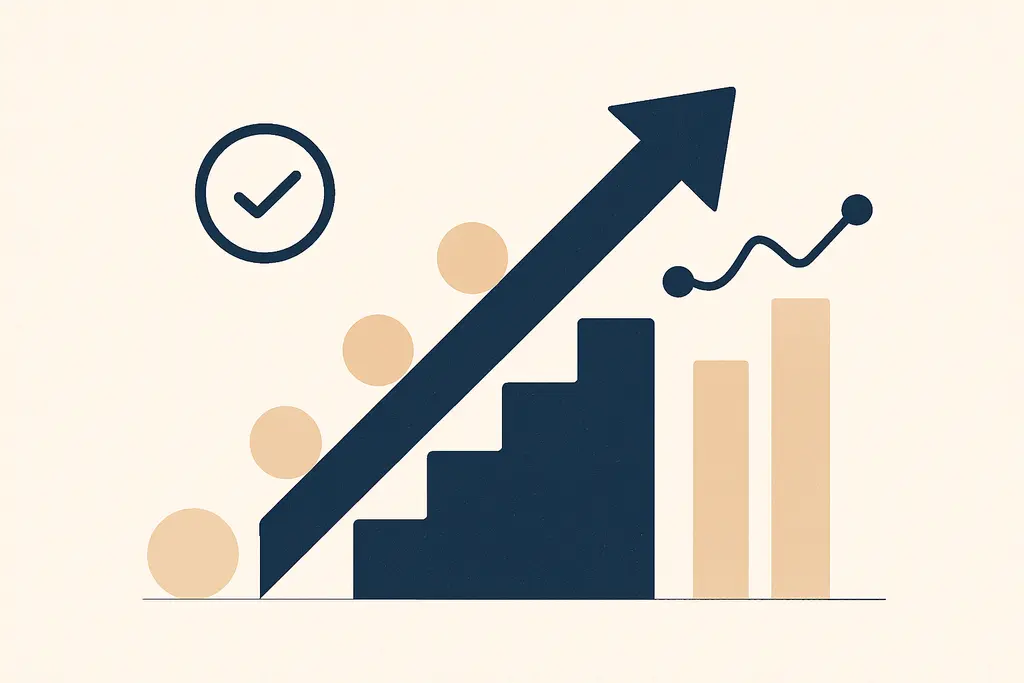
Small-win sequencing is the practice of ordering work into a chain of small accomplishments that produce quick feedback and perceived progress. The intent is to convert a large or ambiguous goal into a sequence of concrete, achievable steps so people feel momentum and continue investing effort.
It can be a deliberate design choice (a rollout plan that surfaces early deliverables) or an emergent behavior (teams choosing low-risk tasks first). The sequence matters: well-placed small wins can unblock confidence and resources, while poorly chosen ones can create the illusion of progress without forward movement on core outcomes.
Key characteristics:
When designed intentionally, small-win sequences reduce ambiguity and increase predictable momentum; when unintentional, they may prioritize perceived over strategic progress.
Why it tends to develop
**Uncertainty reduction:** people pick small tasks because they provide quick answers and lower perceived risk
**Motivation maintenance:** completing tasks triggers brief boosts in confidence that are easy to replicate
**Visibility needs:** teams select demonstrable outputs to show progress to others
**Resource constraints:** limited time or staff pushes work toward smaller, independent pieces
**Time pressure:** looming deadlines encourage tackling what is finishable now
**Cognitive load:** breaking work reduces mental overhead and decision fatigue
**Social reinforcement:** praise or recognition for quick wins encourages repeating the pattern
**Process gaps:** lack of a clear roadmap makes incremental wins the default route
What it looks like in everyday work
These patterns help you spot whether momentum is genuine (each win reduces key risks) or superficial (wins accumulate without strategic advance). Regularly review whether completed items map to intended outcomes.
Project plans filled with many short deliverables and few strategic milestones
Sprint boards that light up with completed checklist items but little forward movement on core objectives
Team meetings dominated by status on small tasks rather than decisions about blockers
Staff preferring to claim easy tasks during planning sessions
Progress reports showing steady completion rates while key outcomes lag
Frequent requests for permission to complete micro-tasks rather than tackle ambiguous responsibilities
Celebrations or recognition focused on quantity of completed items rather than impact
Shifting priorities where new small wins are created to replace stalled larger goals
A quick workplace scenario (4–6 lines, concrete situation)
A cross-functional team is three weeks into a product build. Early sprints produced UI mockups, a test API endpoint, and several documentation pages—each celebrated. Despite the visible checklist, integration tests and customer feedback remain unaddressed. The project coordinator reorganizes the next sprint to place a risky integration task first, supported by a short pairing session and a visible integration dashboard.
What usually makes it worse
Launching large, ambiguous projects with no stepwise plan
Tight external deadlines that favor immediate deliverables
Performance reviews or stakeholder updates that reward visible output
Low team confidence on complex technical or strategic work
High task-switching and interruption rates that fragment attention
Incomplete requirements that leave teams choosing safe, well-defined work
Reorganizations or new team members prompting risk avoidance
Tools and processes that make small tasks easy to log and report
What helps in practice
Map outcomes first: define the strategic milestones and ensure each small win ties to one of them
Sequence to reduce risk: place early wins that remove the biggest blockers, not just the easiest tasks
Timebox high-impact work: protect dedicated blocks for complex tasks before filling the schedule with micro-tasks
Use visible dependency tracking: show how each small win enables subsequent steps so the chain’s purpose is clear
Balance recognition: celebrate completion but tie praise to how a win advanced a larger goal
Limit low-impact work in planning: cap the proportion of sprint items that are purely administrative or cosmetic
Provide scaffolding: assign pairs or temporary support for riskier items so people don’t default to easy work
Adjust incentives: ensure metrics reward progress on outcomes, not just task counts
Run short impact reviews: after a few wins, assess whether momentum translated into reduced risk or improved outcomes
Remove recurring friction: automate or delegate routine tasks so team capacity is freed for strategic steps
Model sequencing: allocate your own schedule to take on visible, hard tasks early to set a behavioral norm
Create a ‘payoff’ checkpoint after several wins that requires integration or synthesis work
Nearby patterns worth separating
Kaizen (continuous improvement): connects through incremental progress, but Kaizen is a cultural, ongoing practice while small-win sequencing is a specific planning tactic for momentum.
Goal-gradient effect: explains why people speed up as they near a target; small-win sequencing leverages this by creating nearer-term targets.
Quick wins: similar in intent, but quick wins are often one-off achievements; sequencing links them into a planned chain toward a strategic outcome.
Microtasking: breaks work into tiny units; microtasking focuses on efficiency and distribution, while sequencing emphasizes order and impact.
Agile sprint planning: both use short cycles and deliverables; sequencing stresses deliberate placement of wins to de-risk the roadmap.
Habit stacking: connects by attaching new behaviors to existing ones; sequencing stacks small accomplishments to produce behavioral momentum.
Incentive design: related because metrics and rewards shape whether teams favor small wins or strategic progress; sequencing seeks alignment between tasks and incentives.
When the situation needs extra support
- When patterns of avoiding complex work cause persistent project failure despite process changes, consult an organizational design specialist
- If team morale or productivity drops and internal efforts don’t improve outcomes, consider an external consultant or coach who can audit workflow and incentives
- Use employee assistance programs (EAP) or HR guidance when workload pressure is causing distress or burnout among staff
Related topics worth exploring
These suggestions are picked from nearby themes and article context, not just a flat alphabetical list.
How to build a post-lunch focus habit
Practical steps to create a simple post-lunch transition routine that restores attention at work, with examples, common confusions, and manager-friendly questions.
Small habit loops that boost daily productivity
A practical field guide to tiny cue–action–reward cycles at work: how they form, how to tune them, and simple tweaks to boost daily productivity without more willpower.
Weekly review rituals to maintain momentum
Practical guidance on weekly review rituals: what they are, why they form, how they show up at work, common confusions, and steps to start or fix them.
Nudge Fatigue
Nudge fatigue is when repeated workplace prompts lose effect and annoy people; learn how it develops, appears in daily work, and which fixes restore impact.
Habit relapse pathways
How workplace habit relapse pathways (cue→response→reinforcement loops) undo change, where they originate, and concrete steps leaders can use to interrupt them.
Team Keystone Habits
How small shared routines—team keystone habits—drive disproportionate outcomes at work and how managers can identify, change, and sustain better defaults.