Working definition
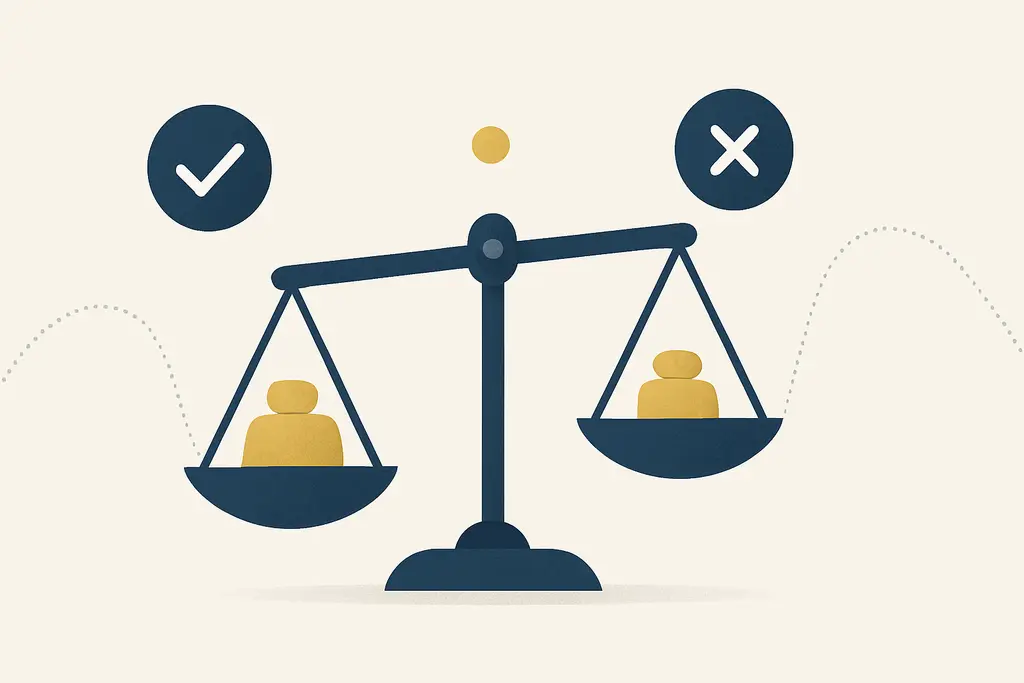
Visible Work Bias occurs when visibility—not impact—drives how work is valued. It is a pattern where easily documented or publicly performed activities receive disproportionate recognition compared with necessary but low-visibility contributions. This bias can be structural (built into systems and routines) and behavioral (driven by what people tend to notice).
Teams often treat attendance, presentations, and dashboard numbers as signals of productivity, while ongoing problem-solving, mentoring, system upkeep, and informal coordination go uncounted. Over time those invisible activities can become scarce because they are unrewarded, even though they keep operations running.
Key characteristics:
Because the bias operates at both interpersonal and system levels, correcting it requires adjustments to signals, incentives, and routines rather than only asking people to "work harder." Leaders who change what is visible and measured can rebalance attention toward impact.
How the pattern gets reinforced
These drivers combine: cognitive shortcuts meet social incentives and organizational structures, producing a persistent bias unless deliberate changes are made.
**Cognitive ease:** People notice what’s easy to see and remember, so visible tasks act as mental shortcuts when assessing contributions.
**Social pressure:** Public behaviors—speaking up in meetings or sending frequent updates—are socially rewarded and signal engagement.
**Measurement design:** Dashboards and KPIs often capture outputs that are easy to count, not the underlying maintenance work.
**Performance rhythms:** Quarterly reviews and sprint demos favor short-term, demonstrable progress over continuous, behind-the-scenes effort.
**Visibility bias in recognition:** Informal recognition tends to follow visible acts, creating a feedback loop that amplifies the pattern.
**Resource scarcity:** When time and headcount are tight, teams prioritize tasks that justify their existence in visible ways.
Operational signs
These patterns show how attention and reward systems interact. When you track both visible outputs and ongoing inputs, a fuller picture of team contribution emerges.
Frequent praise for presentations, reports, or meetings while little acknowledgement is given to troubleshooting or mentoring.
People padding calendars with visible activities (recurring meetings, status emails) to signal productivity.
Team members feeling invisible when doing essential tasks that don’t produce immediate deliverables.
Performance conversations focusing on recent, demonstrable wins rather than steady contributions over time.
Project plans that allocate little time to maintenance, documentation, or handoffs.
Candidates for promotion chosen based on presence in high-visibility forums rather than sustained impact.
A spike in visible deliverables before review cycles followed by a lull in quieter months.
Uneven workload where low-visibility tasks cluster with a few people and go unrecognized.
A quick workplace scenario (4–6 lines, concrete situation)
A product team trims a bug backlog each sprint, but fixes are rarely mentioned in demos. Before reviews, a developer prepares a flashy new feature and gets the promotion, while the teammate who kept the service stable for months goes unnoticed. The team lead starts asking for a monthly "stability report" to make maintenance visible and ensure credit is shared.
Pressure points
These triggers can be subtle; removing them often means redesigning processes and strengthening documentation practices.
Project reviews that center only on new features and exclude maintenance metrics.
Recognition programs rewarding presentations, sales numbers, or visible wins.
Dashboards that show output counts (tickets closed, commits) but omit quality or mentoring contributions.
Short performance cycles that favor recent achievements.
Remote or hybrid setups where casual hallway interactions—where invisible work is often noticed—are reduced.
Hiring and promotion conversations focused on public-facing accomplishments.
Client-facing roles that receive outsized praise because work is on display.
Strong personalities who naturally occupy visible spaces, drawing attention away from quieter contributors.
Moves that actually help
These actions shift signals and habits. Over time they change what the group recognizes as valuable, reducing the bias toward only visible work.
Track hidden tasks: Add line items for maintenance, mentoring, and coordination to team plans and sprint backlogs.
Make intangible work visible: Create brief, regular reports (e.g., stability, mentoring logs) that summarize ongoing, low-visibility efforts.
Calibrate reviews: Ask for examples of sustained contribution across the whole review period, not only recent wins.
Broaden recognition: Celebrate behind-the-scenes achievements in team rituals and newsletters.
Change meeting norms: Reserve part of retrospective or all-hands time to highlight non-deliverable work and lessons learned.
Adjust KPIs: Pair output metrics with outcome and health indicators (uptime, customer complaints, onboarding success) to capture hidden work.
Rotate visibility roles: Give quieter contributors structured opportunities to present or document their work.
Protect deep work: Limit unnecessary recurring meetings and set norms that acknowledge non-visible focused time as valuable.
Document handoffs: Keep logs of coordination, mentoring, and decision rationale so contributions are auditable.
Resource allocation: Budget explicit capacity for maintenance and operational tasks in project planning.
Train evaluators: Provide concrete prompts for reviewers to ask about mentoring, risk reduction, and system upkeep.
Encourage peer nominations: Use peer-driven recognition forms that surface less-visible contributions.
Related, but not the same
Each concept intersects with visible work bias but differs in whether the root is cognitive, structural, social, or metric-related.
Outcome bias — Focuses on judging work by results rather than processes; differs because visible work bias focuses on what is seen rather than judged purely by outcomes.
Attribution error — People attribute visible effort to ability; visible work bias connects by making observable behavior a stronger cue in those attributions.
Present bias — Tendency to favor immediate rewards; present bias links to visible work bias when short-term, visible tasks are chosen over long-term maintenance.
Measurement bias — Occurs when instruments capture some things better than others; measurement bias is a structural cousin that explains why visible work becomes dominant.
Spotlight effect — The belief that others notice more than they do; this can inflate attempts to make work visible and intensify visible work bias.
Social desirability bias — People perform behaviors they expect to be rewarded publicly; it reinforces visible work bias by aligning actions with what is socially praised.
Status signaling — Actions intended to convey competence or commitment; visible work bias often conflates signaling with true contribution.
Recognition systems — Formal or informal reward mechanisms; these systems can either amplify or mitigate visible work bias depending on design.
Siloed work — When tasks are isolated across groups and invisible contributions aren’t shared; siloing exacerbates the tendency to notice only local, visible outputs.
When the issue goes beyond a quick fix
Professional help can provide assessment tools, neutral facilitation, and change plans tailored to system-level issues.
- If team morale, retention, or performance is significantly affected and internal steps have not improved the situation, consider consulting an organizational development specialist.
- For persistent fairness and promotion concerns, involve HR or a qualified workplace investigator to audit processes and recommend changes.
- If conflict over recognition becomes entrenched and harms collaboration, an experienced facilitator or team coach can help mediate and redesign routines.
Related topics worth exploring
These suggestions are picked from nearby themes and article context, not just a flat alphabetical list.
Present bias at work
How present bias at work leads teams to choose quick gains over long-term value — why it happens, how managers misread it, and practical fixes to nudge better decisions.
Recency bias in reviews
Recency bias in reviews is the tendency to overweight the latest events when evaluating performance or products — learn how it shows up at work and practical ways to reduce its impact.
Sunk Opportunity Bias
How past missed chances (not just spent costs) distort team decisions—why it happens in meetings, real examples, and practical steps to reduce reactive fixes and overcompensation.
Default policy bias
How workplace defaults become sticky: why existing policies persist, how to spot when a default is blocking better choices, and practical steps managers can use to test and change them.
Outcome Bias in Business Decisions
Outcome bias is judging decisions by results instead of the quality of the decision process — learn how it shows up at work and practical steps managers can use to reduce it.
Value-fit bias in hiring
How workplace teams favor candidates who 'share our values'—why that bias forms, how it shows up in interviews, and practical steps managers can use to reduce it.