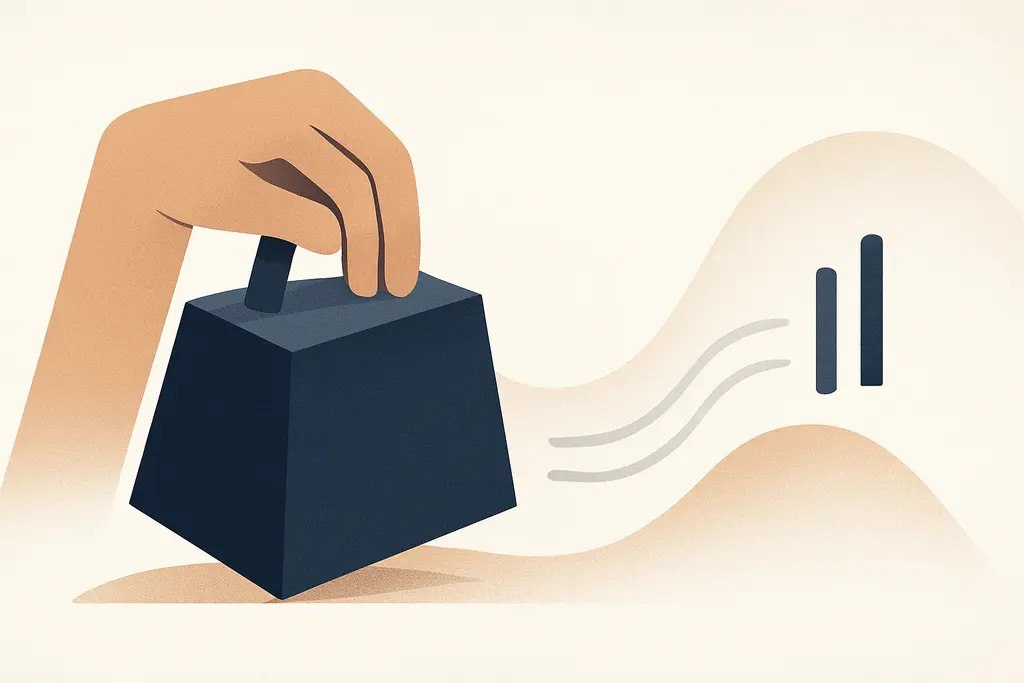
What this pattern really means
Achievement hangover is a short- to medium-term decline in productivity, focus, or psychological momentum that follows a successful event. It isn't the same as long-term burnout; it's a predictable after-effect of intense effort, relief, or the emotional high of completing an important goal.
Typical characteristics include:
Seen from an organizational view, this pattern often appears in cycles tied to project deliveries, product launches, or review periods. It tends to be time-limited but can compound if not acknowledged and managed.
Why it tends to develop
These drivers often co-occur. Understanding which factors dominate in a particular team helps tailor the response.
**Cognitive:** Mental resources are depleted after intense focus or problem-solving, leaving less capacity for immediate next steps.
**Emotional:** Relief and celebration can produce a drop in arousal; the contrast between the high and ordinary work feels demotivating.
**Motivational:** Reaching a goal removes the forward-pulling incentive that sustained effort had provided.
**Social:** Recognition can shift social dynamics—winners may withdraw while others compare themselves unfavorably.
**Environmental:** Organizational rhythms (deadlines, reviews, launching events) create rapid build-ups followed by empty windows.
**Normative:** Cultures that reward outputs without planning recovery make the pattern more likely.
What it looks like in everyday work
These patterns are observable and operational; they signal a momentum gap rather than a fixed personal trait.
Team members unusually quiet after a big delivery; fewer status updates
Delays in completing routine follow-ups (docs, customer notes, retros)
Overly cautious decision-making or avoidance of new initiatives
Spike in minor errors or quality slips on tasks that were previously stable
Increased absenteeism or late arrivals in the days after success
Short, tense conversations after celebrations about who gets credit
People switching focus to low-effort tasks (busy work) instead of strategic next steps
Quick resignations or role-change requests in some cases
Decline in proactive problem-spotting; fewer suggestions in meetings
What usually makes it worse
Major product launches, campaign completions, or contract signings
Public recognition events, award ceremonies, or press coverage
Intense crunch periods followed immediately by an unstructured lull
Achievement without a clear next goal or roadmap
Abrupt removal of incentives tied to the completed goal
Annual review cycles or promotion decisions that conclude a chapter
Rapid scaling after a startup hit a milestone
Shift from reactive firefighting to no clear active priorities
A quick workplace scenario (4–6 lines, concrete situation)
After a successful product release, the engineering team closes the sprint and holds a celebratory lunch. The following week, engineers skip a routine code cleanup, assuming it can wait; leadership notices rising bugs in minor features and a drop in pull-request throughput. A short debrief and a clear, low-effort follow-up plan restore momentum.
What helps in practice
Taking these steps reduces disruption and keeps teams moving without treating the dip as a failure. Small, structured actions preserve psychological safety while restoring clarity.
Normalize the pattern in team communication so people expect a post-win dip
Schedule immediate lightweight follow-ups (checklists, short retrospectives)
Define a clear, modest next step before celebration ends to channel momentum
Rotate recognition so credit feels distributed and reduces social friction
Protect recovery time: allow brief low-intensity days after major deliveries
Revisit workload distribution to avoid dumping follow-ups on a few people
Use short accountable rituals (15-minute syncs) to maintain visibility without pressure
Document decisions and next actions during the celebration event to avoid memory gaps
Set expectations about quality vs. speed for the immediate post-win period
Monitor small metrics (task throughput, response times) for early signs of decline
Coach managers to have one-on-one check-ins focused on next priorities, not only praise
Plan for a follow-on objective with clear, attainable milestones to rebuild drive
Nearby patterns worth separating
Momentum: Achievement hangover is a break in momentum; momentum is about sustained directional energy.
Post-event letdown: Similar emotional downturn after highs; this term is broader and can include non-work events.
Burnout: Burnout is chronic exhaustion and detachment; achievement hangover is typically shorter and tied to a discrete win.
Reward paradox: The idea that rewards can reduce intrinsic motivation connects to hangovers when external rewards stop driving behavior.
Transition fatigue: Repeated change creates cumulative strain; hangovers are one kind of transient transition effect.
Celebration rituals: Organized celebrations can mitigate hangovers by combining recognition with concrete next steps.
Post-mortem bias: If a debrief focuses only on success, it can obscure needed follow-up—hangovers make that bias more likely.
Goal displacement: When hitting a target causes teams to focus on the target rather than broader outcomes; hangovers often follow narrow-target celebrations.
Psychological safety: Teams with higher safety are more likely to surface hangover effects and coordinate recovery.
When the situation needs extra support
In these situations, consider engaging qualified HR consultants, organizational psychologists, or EAP providers for assessment and systemic recommendations.
- If an individual's drop in functioning is prolonged and affects their daily work for weeks
- When the team experiences repeated severe disengagement after wins that impair operations
- If celebrations reliably precede significant errors or safety incidents
Related topics worth exploring
These suggestions are picked from nearby themes and article context, not just a flat alphabetical list.
Rest guilt
Rest guilt is the anxious feeling that downtime is undeserved; it shows up as skipped breaks, constant connectivity, and over-justifying time off, and can be reduced by clearer handoffs and visible bo
Chronic Task Diffusion
Persistent loss of clear ownership where tasks repeatedly stall between people and processes — how it looks, why it happens, and practical fixes managers can apply.
Busy badge culture
When visible busyness becomes a status signal at work, outcomes suffer. Learn how it forms, how to spot it, and practical steps leaders can take to shift incentives toward impact.
On-Call Burnout
On-call burnout is the cumulative mental and physical strain from repeated after-hours responsibility; learn how it appears, why it persists, and practical fixes for teams.
Vacation guilt
Vacation guilt is the anxiety and behavioral pattern that makes employees check in or avoid time off; learn how it forms, shows up at work, and practical fixes managers and teams can use.
Deadline Creep Anxiety
The steady stress caused by shifting dates and informal deadlines—how it harms team focus, why it happens, and practical steps managers can use to stop the cycle.