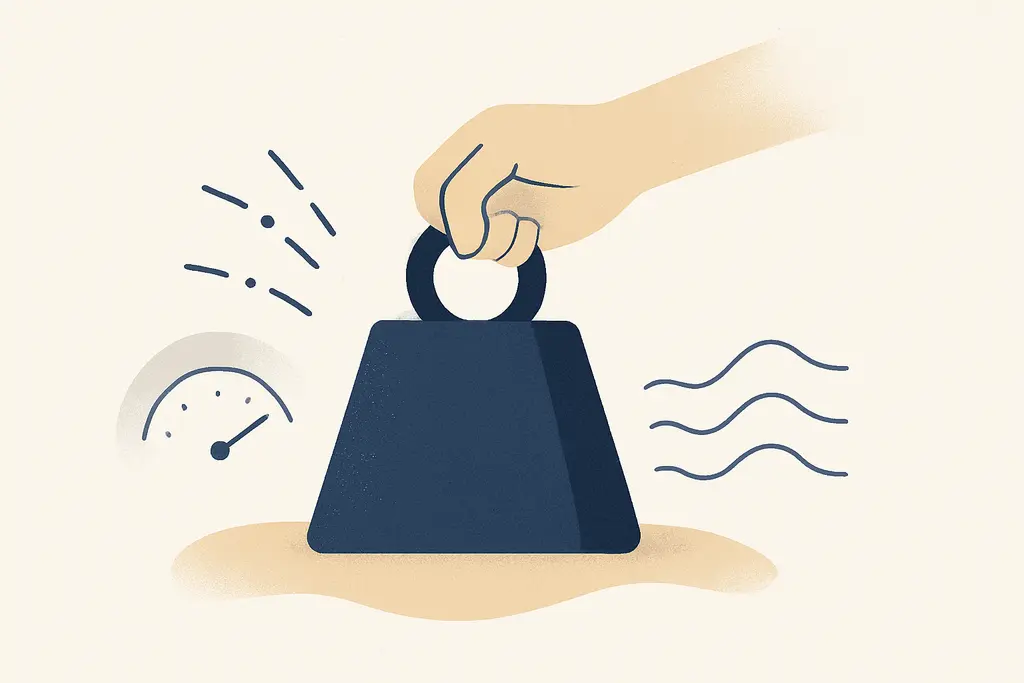
What it really means in practice
This pattern is not a single big incident but a steady stream of low-intensity demands and slights that accumulate. They are: low visibility, often interpersonal or procedural, and typically tolerated because they don't look urgent. The harm is cumulative: attention drains, decision fatigue, and reduced willingness to go the extra mile.
Chronic microstressors are systemic rather than personal failures. They reveal friction in workflows, expectations, and social norms — places where the organization tolerates repeated small costs because each one is easy to justify.
Why these patterns develop and stick around
- Incentive structure: When KPIs reward output without accounting for cognitive cost, teams normalize shortcuts that create recurring annoyances.
- Poor communication norms: Vague messages, lack of cadence, and unclear ownership make repetition a default.
- Resource mismatch: Small but frequent interruptions multiply when teams lack buffers, handoffs, or reliable tools.
- Social norms and hierarchy: People avoid raising small complaints to preserve status or avoid seeming difficult.
These mechanisms work together: incentives make small shortcuts attractive; norms make them tolerable; tooling and resourcing prevent easy fixes. Over time, the path of least resistance becomes the organization’s culture.
What it looks like in everyday work
These behaviors are easy to shrug off individually. Together they create a background hum that makes deep work rare, increases error rates, and reduces psychological safety for raising concerns.
**Frequent context switching:** People are pinged across channels for clarifications rather than given consolidated briefs.
**Unclear deadlines:** Tasks are assigned without clear priority, then reprioritized with short notice.
**Ambient undermining:** Offhand remarks or jokes that diminish confidence but are dismissed as 'harmless'.
**Repeated tiny rework:** Documents returned for trivial edits multiple times instead of one aligned review.
**Meetings that start late or run over:** Eating into heads-down time on a regular basis.
A workplace example and quick scenario
A quick workplace scenario
A product team receives roadmap feedback from multiple stakeholders. Instead of a single prioritized write-up, engineers get fragmented comments via email, chat, and a meeting recap. A developer pauses work multiple times to check context, then resubmits a spec and gets another round of minor edits from a manager who expected a different format.
In this edge case the visible issue is a delayed feature, but the underlying pattern is a chain of microstressors: unclear expectations, fragmented communication, and shallow review cycles. Fixing only the deadline often misses the deeper cultural fixes needed to stop recurrence.
Where leaders commonly misread or oversimplify it
- Managers treat the outcome as poor performance rather than as a sign of chronic friction.
- It gets branded as 'bad attitude' when people push back on repeated small demands.
- Leaders focus on one-off fixes, like extending deadlines, instead of changing the repeatable process.
Related confusions worth separating:
- Microstressors vs burnout: burnout is a broad syndrome linked to overload and exhaustion, while microstressors are the recurring inputs that can contribute to burnout over time.
- Microaggressions vs microstressors: microaggressions are identity-linked slights; microstressors include neutral process frictions as well as interpersonal slights.
Recognizing these distinctions matters because each requires different responses: coaching and workload changes for overload, policy and inclusion work for microaggressions, and process or communication redesign for microstressors.
Practical steps that actually reduce chronic microstressors
- Set clear guardrails: Standardize formats, deadlines, and single points of ownership for recurring tasks.
- Batch and consolidate: Encourage batching reviews and questions into fewer touchpoints to reduce context switching.
- Protect focus time: Create meeting-free windows, and model their use at leadership level.
- Enforce simple escalation paths: Make it safe and easy to surface recurring small frictions instead of normalizing them.
- Invest in tooling and templates: Small investment in templates or triage channels cuts repetitive clarification cycles.
Start with one repeatable process that produces friction and treat it as a mini-project. Assign an owner, measure the number of handoffs or clarifying messages for two sprints, try the change, and compare. Small process wins compound fast and are easier to sustain than broad cultural pronouncements.
Questions worth asking before making changes
- Where in our workflows do people routinely re-do small work or hunt for context?
- Which microstressors are avoidable through clearer rules versus those that need resource changes?
- Who benefits from the current friction and who pays the hidden cost?
Answering these helps prioritize interventions that reduce recurring small harms rather than treating symptoms. Start with measurement (counts of clarifying messages, meeting overruns, rework incidents) and use short experiments to find what sticks.
Related patterns that often overlap
- Role ambiguity and unclear decision rights: these create repeated small stoppages when people wait for permission.
- Toxic episodic behavior: single severe incidents differ from chronic microstressors but can amplify their effects.
- Task overload vs constant interruptions: overload is a volume issue; interruptions are frequency issues — both erode focus but require different fixes.
Separating these helps you choose the right levers: clarifying roles, addressing severe behavior with appropriate HR processes, or redesigning task flow to reduce interruptions.
Related topics worth exploring
These suggestions are picked from nearby themes and article context, not just a flat alphabetical list.
Chronic Task Diffusion
Persistent loss of clear ownership where tasks repeatedly stall between people and processes — how it looks, why it happens, and practical fixes managers can apply.
Busy badge culture
When visible busyness becomes a status signal at work, outcomes suffer. Learn how it forms, how to spot it, and practical steps leaders can take to shift incentives toward impact.
Cumulative microstressors at work
Small, repeated workplace frictions—interruptions, process hassles, tone issues—that add up over time, reducing focus and morale; how to spot and reduce them in daily work.
Rest guilt
Rest guilt is the anxious feeling that downtime is undeserved; it shows up as skipped breaks, constant connectivity, and over-justifying time off, and can be reduced by clearer handoffs and visible bo
On-Call Burnout
On-call burnout is the cumulative mental and physical strain from repeated after-hours responsibility; learn how it appears, why it persists, and practical fixes for teams.
Vacation guilt
Vacation guilt is the anxiety and behavioral pattern that makes employees check in or avoid time off; learn how it forms, shows up at work, and practical fixes managers and teams can use.