How this pattern typically shows up
- Behavioral signs: reduced initiative, longer time to complete complex tasks, more frequent clarifying questions, and systemic procrastination on ambiguous projects.
- Interaction changes: meetings where people nod but stop volunteering ideas, recurring small conflicts over priorities, or reliance on one or two vocal contributors.
- Work rhythm shifts: constant switching between shallow tasks, increased evening email, and difficulty sustaining deep work blocks.
These are not dramatic failures; they are chronic drifts. Because outputs still arrive, managers and peers often conclude work is fine while the cost is felt as slower learning, missed opportunities, and fragile project timelines.
Why hidden chronic stress develops and stays in place
- Misaligned expectations: unclear priorities or persistent scope creep makes people extend effort indefinitely.
- Norms that reward visibility over depth: frequent status updates, always-on responsiveness, and praise for firefighting over finishing.
- Cognitive fragmentation: too many tools, context switches, and meetings that interrupt thoughtful work.
- Social dynamics: unwillingness to push back, impression management, or fear of costing the team time.
These factors compound because they are self‑reinforcing. For example, if people are praised for answering emails quickly, others mimic that behavior, shrinking collective attention spans and making deep tasks harder. Over months the team adapts to a thinner, more reactive way of working that masks the underlying strain.
How leaders commonly misread it (and why that matters)
- Mistake: assuming lower visibility equals lower capability. Teams that stop proactively reporting problems often do so because reporting is exhausting, not because there are no problems.
- Mistake: interpreting caution as complacency. When employees avoid risk, it may be because chronic stress has reduced their bandwidth for creative risk-taking.
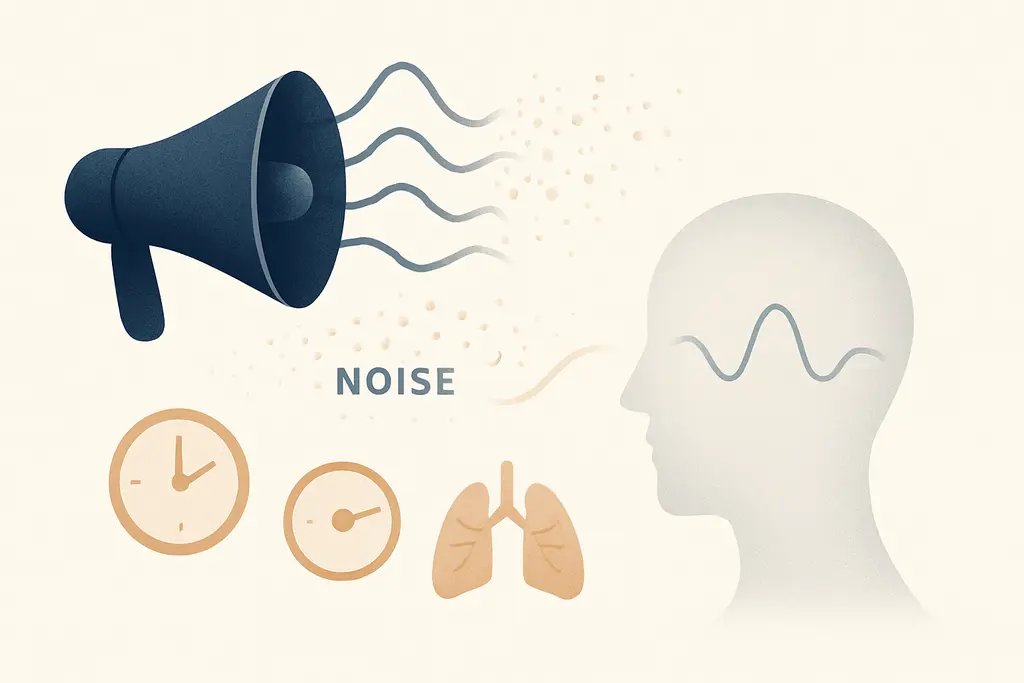
Leaders who respond with tighter control, more status checks, or louder incentives usually make the problem worse. Those measures increase noise and fragment attention further, reinforcing the very behaviors they want to change.
Practical steps to reduce hidden chronic stress
- Clarify priorities: reduce active projects and identify the 1-3 outcomes that matter this quarter.
- Protect deep work: establish meeting-free blocks and respect focused time in calendars.
- Limit asynchronous noise: set norms for email/DM response windows and use summarized updates instead of constant pings.
- Normalize pause conversations: invite short, nonjudgmental check-ins about workload and obstacles rather than status lists.
- Adjust incentives: reward completion and learning, not just responsiveness or headcount of deliverables.
Start with small rules that change daily experience. For example, one team that instituted a single weekly 90‑minute deep-work period saw fewer late-night messages and a noticeable uptick in complex deliverable quality within six weeks.
A concrete workplace example and quick red flags
A quick workplace scenario
A product team has two product managers, five engineers, and a designer. Meetings balloon to cover coordination that used to be done in the backlog. Engineers start answering messages late at night and stop volunteering design ideas. The team still ships features, but velocity for strategic work declines.
Red flags in this case: repeated rework on ambiguous tickets, reliance on a single person to keep context, and team members consistently working outside core hours. These are signs the stress is systemic rather than an individual performance problem.
Related patterns and how to separate them
- Quiet quitting vs chronic stress: quiet quitting implies a deliberate pullback from discretionary effort. Hidden chronic stress may look like pullback but is often involuntary — a bandwidth shortage rather than a values decision.
- Acute burnout vs chronic stress: acute burnout is a higher‑intensity breakdown that may follow prolonged strain. Hidden chronic stress is lower intensity and easier to reverse with system changes.
- Skill gaps and role mismatch: when someone underperforms, investigate whether the problem is missing training or persistent cognitive overload that prevents applied learning.
Confusing these patterns leads to the wrong response. For instance, offering training to someone who lacks time to practice misses the structural cause. Conversely, changing systems when the real issue is a skills mismatch also fails.
Questions worth asking before reacting
- What priorities would change if we had to cut 30% of current work? Which items would we keep?
- Who is carrying most of the context and how often are they interrupted? Can we shield them for focused blocks?
- What norms reward immediacy over completion, and how could we modify them with low friction?
Answering these clarifies whether you need policy changes (calendar norms, reduced projects), communication changes (clearer priorities), or role adjustments. Small experiments — a three‑week email window trial, a protected deep‑work day, or a temporary pause on new initiatives — generate rapid feedback and avoid overcorrections.
Related topics worth exploring
These suggestions are picked from nearby themes and article context, not just a flat alphabetical list.
Adaptive stress vs toxic stress at work
How to tell when pressure at work fuels growth (adaptive) versus when it becomes chronic harm (toxic), what creates each, and practical steps leaders can take.
Chronic Task Diffusion
Persistent loss of clear ownership where tasks repeatedly stall between people and processes — how it looks, why it happens, and practical fixes managers can apply.
Perpetual On-Call Stress
Chronic expectation of immediate responsiveness at work that blurs boundaries, harms planning, and hides capacity issues — how it shows up and what managers can do.
Quiet stress at work: sustained low-level strain
Sustained low-level pressure at work that quietly drains focus and quality—how it forms, how it shows up day-to-day, common misreads, and practical manager actions to reduce it.
Rest guilt
Rest guilt is the anxious feeling that downtime is undeserved; it shows up as skipped breaks, constant connectivity, and over-justifying time off, and can be reduced by clearer handoffs and visible bo
Busy badge culture
When visible busyness becomes a status signal at work, outcomes suffer. Learn how it forms, how to spot it, and practical steps leaders can take to shift incentives toward impact.