Quick definition
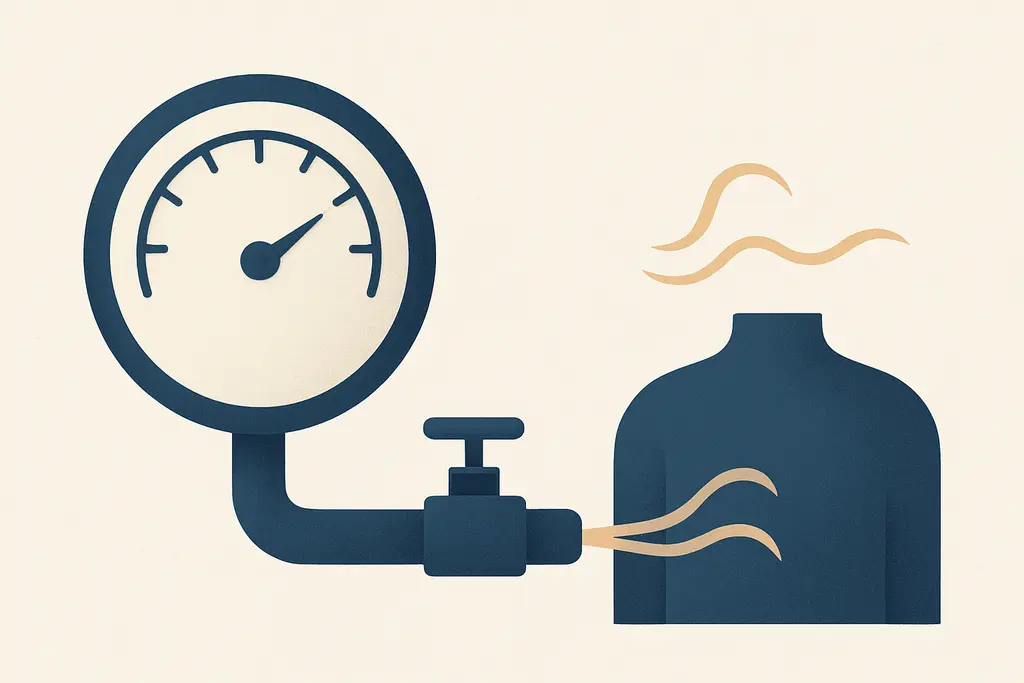
Role overload signals are the patterns and behaviors that indicate an individual's role expectations exceed available time, resources, or authority. They are not a single symptom but a cluster of workplace indicators that a position’s demands are misaligned with capacity.
These signals can come from the person holding the role, from peers and stakeholders, or from simple outcome data (deadlines, quality metrics). They are most useful when treated as actionable feedback for role design, workload allocation, and managerial support.
Key characteristics:
Spotting these characteristics early allows managers to diagnose whether the problem is temporary overload, unclear role boundaries, or structurally understaffed work.
Underlying drivers
Understanding the mix of drivers helps determine whether the solution is short-term relief, clearer role design, or process redesign.
**Cognitive load:** Too many concurrent priorities reduce working memory and decision-making capacity.
**Role blurring:** Unclear boundaries between positions lead to people taking on others' tasks by default.
**Social pressure:** Team norms or leadership expectations encourage saying yes to additional work.
**Resource gaps:** Insufficient staffing, tools, or training make existing tasks more time-consuming.
**Process inefficiencies:** Bottlenecks, duplicated work, or manual steps multiply effort.
**Priority conflicts:** Competing KPIs or stakeholder demands create overload when no clear prioritization exists.
Observable signals
These patterns are observable with basic status tracking and attentive conversations, and they often show before formal performance drops appear.
Rising volume of unfinished tasks in a single person’s queue
Regular overtime or weekend work logged by one role
Increased frequency of status changes like "in progress" back to "blocked"
Higher rate of small errors or corrective rework linked to the same person
Team members escalating decisions because one person is the bottleneck
Repeated deferral of strategic work in favor of firefighting
Narrowing of focus to urgent tasks only, abandoning longer-term responsibilities
Withdrawal from collaborative activities due to time constraints
Frequent ad hoc handoffs or patchwork fixes from other team members
A quick workplace scenario (4–6 lines, concrete situation)
A product manager is the single approver for release scope and is approving features late at night. Two engineers report blocking issues waiting on specs. Tickets pile up in the backlog labeled "waiting on PM." The manager notices late approvals and a rising number of blocked items and arranges a role clarity session to redistribute approval responsibilities.
High-friction conditions
Sudden scope increases on a project without added resources
New initiatives assigned to existing staff rather than new hires
Mergers of responsibilities after reorganization
Tight deadline commitments driven by external stakeholders
Chronic understaffing or hiring freezes
Ill-defined role descriptions or overlapping responsibilities
Introduction of complex tools without training
Short-term crises that become ongoing work
Practical responses
Implementing these steps quickly often reduces immediate pressure and gives time to redesign roles for the long term. Start with small, visible fixes to rebuild trust that workload concerns are taken seriously.
Clarify role boundaries: update job scopes and decision authorities to reduce task creep
Rebalance workload: redistribute tasks across the team based on capacity, not just titles
Prioritize explicitly: use a simple framework (must/should/can) to cut low-value work
Create delegation paths: identify who can approve, review, or own tasks and formalize them
Introduce temporary relief: hire contractors, shift deadlines, or pause low-priority projects
Improve processes: remove redundant steps, automate where possible, and simplify handoffs
Schedule focused check-ins: short weekly capacity reviews with direct reports to catch overload early
Train for skills gaps: targeted upskilling reduces time-per-task and frustration
Protect recovery time: enforce reasonable working hours and no-meeting blocks for deep work
Reassess KPIs: align performance indicators with sustainable workload and realistic outputs
Often confused with
Job design: explains how tasks and responsibilities are structured; role overload signals indicate when job design needs rework.
Workload allocation: focuses on who does what; overload signals show misallocation or hidden bottlenecks.
Role ambiguity: lack of clarity about expectations; differs because ambiguity is about uncertainty, while overload is about quantity exceeding capacity.
Scope creep: gradual expansion of responsibilities on a project; scope creep is a common source of role overload signals.
Burnout risk factors: overlapping concept but broader—burnout refers to prolonged strain, while overload signals are immediate behavioral cues.
Bottleneck analysis: process tool to find constraints; overload signals often point to a human bottleneck that analysis can address.
Priority management: systems for deciding what to do first; poor prioritization is a direct precursor to role overload signals.
When outside support matters
- If workload patterns are causing sustained declines in team productivity or safety risks, consult HR or an organizational development specialist
- For repeated staffing or role design problems, engage an external capacity planning or process consultant
- If individual distress is severe or interfering with daily functioning, encourage the person to speak with occupational health services or an employee assistance program
Related topics worth exploring
These suggestions are picked from nearby themes and article context, not just a flat alphabetical list.
Rest guilt
Rest guilt is the anxious feeling that downtime is undeserved; it shows up as skipped breaks, constant connectivity, and over-justifying time off, and can be reduced by clearer handoffs and visible bo
Chronic Task Diffusion
Persistent loss of clear ownership where tasks repeatedly stall between people and processes — how it looks, why it happens, and practical fixes managers can apply.
Busy badge culture
When visible busyness becomes a status signal at work, outcomes suffer. Learn how it forms, how to spot it, and practical steps leaders can take to shift incentives toward impact.
On-Call Burnout
On-call burnout is the cumulative mental and physical strain from repeated after-hours responsibility; learn how it appears, why it persists, and practical fixes for teams.
Vacation guilt
Vacation guilt is the anxiety and behavioral pattern that makes employees check in or avoid time off; learn how it forms, shows up at work, and practical fixes managers and teams can use.
Deadline Creep Anxiety
The steady stress caused by shifting dates and informal deadlines—how it harms team focus, why it happens, and practical steps managers can use to stop the cycle.