Working definition
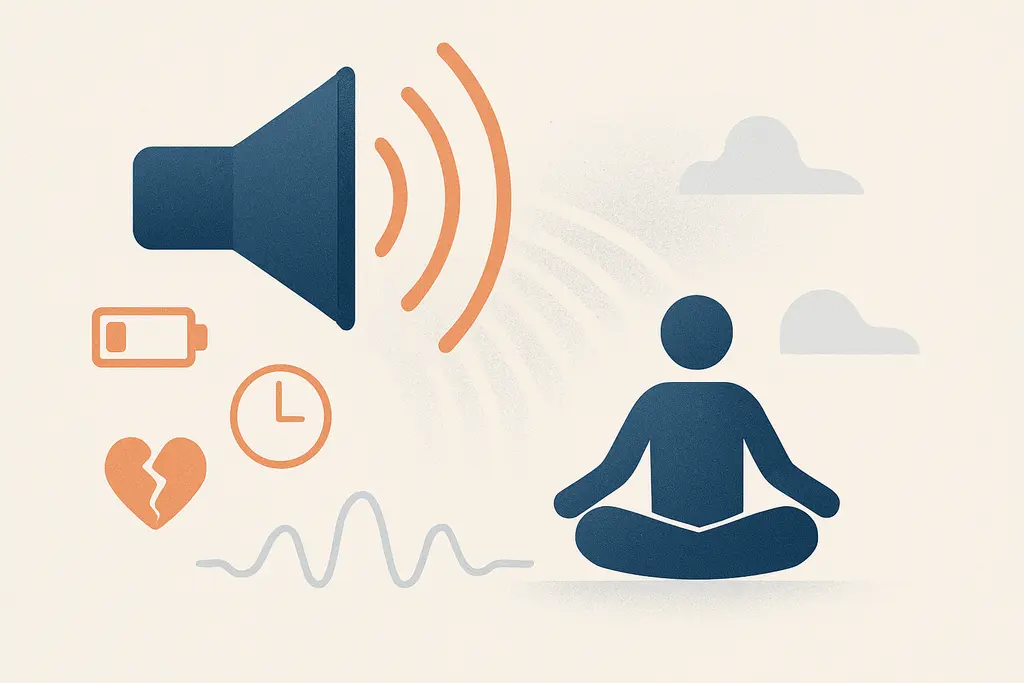
Hidden burnout in remote workers describes a gradual depletion of energy, motivation and resilience that isn’t obvious during routine virtual meetings or status updates. People keep responding to messages and hitting deadlines but are internally strained; surface-level productivity masks accumulating stress.
This is not about a one-off bad week. It’s a sustained state where recovery is incomplete because breaks, boundaries or support are insufficient. In remote settings the usual cues (body language, informal conversations, office check-ins) are reduced, making the pattern less visible.
Key characteristics include:
These characteristics often coexist and may be easy to miss if only surface metrics are watched. Managers and colleagues need to look beyond output to interaction patterns and recovery opportunities.
How the pattern gets reinforced
Lack of visible boundaries between work and home leads to constant availability pressure
Cognitive overload from multitasking across communication channels and task switching
Social isolation reduces informal check-ins and psychological restoration
Performance pressure amplified by remote visibility norms (e.g., always-online culture)
Inadequate recovery rituals: no daily commute, fewer social breaks, blurred off-hours
Role ambiguity and extra unpaid labor (managing technology, scheduling across time zones)
Fewer spontaneous corrective cues from peers or supervisors
Operational signs
These signs are behavioral and observable; they don’t rely on medical labels. When several appear together, they indicate a pattern worth addressing at the team or supervisory level rather than assuming short-term stress.
Consistently present in meetings but offering minimal ideas or follow-up
Replies quickly to messages but avoids initiating conversations or raising concerns
Frequent late-night or weekend messages with little discussion of workload
Repeatedly marks tasks done while taking longer to complete higher-level planning
Declining participation in collaborative brainstorming or voluntary initiatives
Increased reliance on templates, copy-paste, or shortcuts instead of tailored work
Rising number of small mistakes or missed instruction details in otherwise acceptable work
Reluctance to take on visible stretch assignments despite continued baseline delivery
Pressure points
Rapid shifts to remote-first policies without guidance on boundaries
Unclear expectations about response times and availability
Back-to-back virtual meetings with no buffer or breaks
Time-zone scheduling that forces off-hour work to accommodate others
Lack of synchronous social interactions or virtual watercooler moments
Frequent use of productivity monitoring tools that increase pressure
Poorly defined priorities that create constant task switching
New technology rollouts without sufficient training or support
Moves that actually help
**Set clear availability norms:** agree on core hours, response-time expectations and preferred channels
**Protect meeting-free time:** schedule focus blocks and avoid back-to-back calls for the whole team
**Encourage micro-breaks:** prompt brief offline pauses during long meetings or sprints
**Normalize workload check-ins:** include a brief workload status item in one-on-ones and team meetings
**Rotate visible responsibilities:** give quieter team members low-stakes chances to lead short segments
**Audit asynchronous load:** review task assignments and communication volume to reduce unnecessary messages
**Clarify priorities weekly:** publish one clear list of the top team priorities to reduce task switching
**Model boundary behavior:** senior staff should avoid sending routine messages off-hours to set tone
**Offer recharging options:** encourage use of vacation days, mental-rest days, and visibly celebrate taking them
**Train managers in conversation skills:** practical training to spot subtle disengagement and ask open questions
**Adjust performance conversations:** focus on sustainable performance and capacity planning rather than only output spikes
A quick workplace scenario (4–6 lines, concrete situation)
A senior engineer consistently answers messages within minutes but stops volunteering for design reviews. In one-on-ones they say deadlines are fine, yet their calendar shows many late-night focus blocks. The manager shifts some meetings, asks about capacity directly, and reallocates a few tasks so the engineer can recover without losing visibility.
Related, but not the same
Presenteeism: work continues despite reduced functioning; differs because hidden burnout is about gradual depletion often masked by task completion rather than visible underperformance.
Work–life boundary erosion: closely connected—boundary erosion is a driver of hidden burnout, while hidden burnout is a downstream effect when boundaries stay weak.
Engagement vs. disengagement: engagement is sustained energy and commitment; hidden burnout can mimic engagement at surface level while deep motivation declines.
Digital overload: overlaps as a trigger; digital overload refers to excessive information flow, which often precipitates hidden burnout in remote settings.
Psychological safety: a protective factor—teams with higher psychological safety make hidden burnout easier to surface and address, whereas low safety hides issues.
Role ambiguity: connects as a cause; unclear roles increase cognitive load and contribute to the hidden fatigue pattern.
Prescribed availability norms: differs because norms are organizational rules; hidden burnout is the individual response when norms force constant accessibility.
Remote onboarding challenges: connects because poor onboarding can leave new hires with weaker social ties, increasing the risk of hidden burnout.
Workload creep: directly related—gradual addition of tasks without adjustment in capacity often underlies hidden burnout.
Disengaged creativity: differs by focusing on reduced creative output; hidden burnout may preserve routine productivity while creative contributions fall off.
When the issue goes beyond a quick fix
- If fatigue or inability to perform starts to significantly impair job tasks or daily functioning, encourage a conversation with a qualified occupational health professional
- If a team member reports persistent sleep problems, mood changes or concentration difficulties, suggest consulting their primary healthcare provider or an employee assistance program
- If workplace adjustments are needed and internal measures aren’t helping, consider involving HR or an occupational psychologist for workplace accommodations
Related topics worth exploring
These suggestions are picked from nearby themes and article context, not just a flat alphabetical list.
Burnout warning signs for remote workers
Practical warning signs of burnout for remote workers: how it shows in responses, meetings and output, why it builds remotely, and what managers can change quickly.
On-Call Burnout
On-call burnout is the cumulative mental and physical strain from repeated after-hours responsibility; learn how it appears, why it persists, and practical fixes for teams.
Burnout rumination
How recurring, work-focused negative thinking drains teams, how it shows up, why it persists, and practical manager actions to reduce it.
Post-project burnout
A practical guide to post-project burnout: how the post-delivery slump shows up, why it persists, and concrete manager steps to restore team energy and follow-through.
Burnout recovery guilt
Burnout recovery guilt is the shame or hesitation people feel when returning from burnout. It shows as secrecy, overcompensation, and reluctance to use supports; clarified expectations and visible bou
Re-entry burnout after leave
When employees return from extended leave and face overload, confusion, or exhaustion—how it shows up, why it happens, and practical manager steps to ease the transition.