Working definition
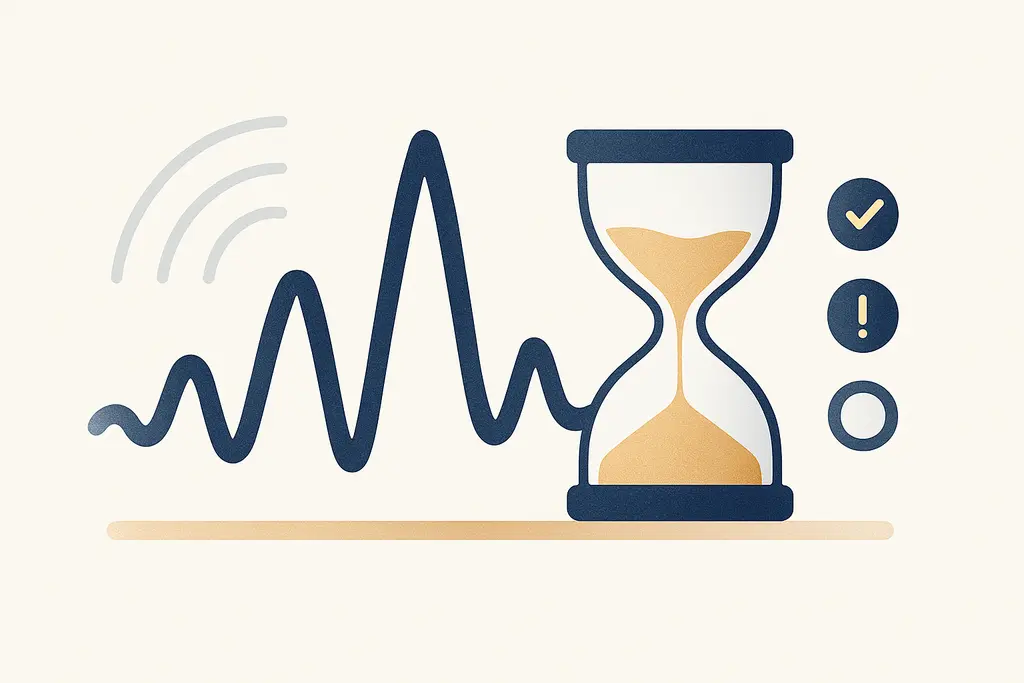
Morning Momentum Dropoff is a short-term decline in focus, decision speed, or coordinated activity that typically occurs after the first hour or two of the workday. It is not a clinical label; in a workplace context it’s a predictable rhythm that affects workflows, meeting outcomes, and how managers allocate resources.
This pattern is most visible when a clear morning surge (email triage, standup alignment, first deep-work block) is followed by reduced responsiveness, more interruptions, or a shift to low-energy tasks.
Key characteristics:
Recognizing these traits helps managers plan meeting times, set realistic early-day goals, and design handoffs so momentum isn't lost.
How the pattern gets reinforced
These drivers often interact: social pacing amplifies decision fatigue, and environmental cues make transitions harder.
**Transition load:** the cognitive effort of switching from home to work modes (tools, priorities, inbox) eats early attention
**Decision fatigue buildup:** several quick choices in the first hour reduce the bandwidth for later choices
**Social pacing:** if executives or key contributors slow down, others mirror that tempo
**Environmental cues:** lighting, commute fatigue, or workspace setup reduce alertness after the initial surge
**Meeting clustering:** back-to-back short check-ins leave little time for consolidated progress
**Unclear morning goals:** when people don’t know the one priority, energy dissipates into low-value tasks
**Technology friction:** logins, slow apps, and notification storms interrupt deep work
**Physical needs:** hydration, caffeine timing, and brief movement affect sustained focus
Operational signs
These observable patterns let managers identify whether the issue is timing, coordination, or load-related and adjust plans accordingly.
Delayed meeting starts while people open tabs, find documents, or join late
Action items from the morning standup postponed until afternoon or next day
Increased number of short, clarifying messages replacing longer decisive responses
Deep-work slots cut short or rescheduled repeatedly
Key contributors becoming consultative instead of decisive during early meetings
Rising microtasking: inbox triage, calendar tweaks, and low-effort tasks take priority
Spike in status updates but drop in forward-moving proposals
Recurring rescheduling of cross-team dependencies
Meetings that began well lose momentum after the first 20–30 minutes
Managers filling gaps with ad-hoc requests instead of planned delegation
A quick workplace scenario (4–6 lines, concrete situation)
At 9:00 a.m. the product team finishes a 15-minute standup and agrees on three priorities. By 10:30 most people are answering email and clarifying questions instead of progressing the first priority. The manager notices decisions are incomplete and reschedules a follow-up, shifting momentum into the afternoon.
Pressure points
Understanding triggers helps redesign the morning flow to reduce avoidable dropoffs.
Scheduling critical cross-team meetings immediately after general all-hands
Expecting immediate deep work after a long commute or before a proper setup
Packing the morning with quick status checks instead of one focused kickoff
Key approvers arriving late or being unavailable during the early window
High notification volume from external time zones hitting early in the day
Last-minute changes to priorities after a standup
Cumulative backlog of small requests that consume the first hour
Unclear ownership for morning deliverables
Requiring synchronous approvals for tasks that could be async
Moves that actually help
Small, consistent changes to meeting design and start-of-day expectations typically reduce the frequency and impact of momentum dropoff.
Timebox a focused morning block for the team with one clear objective
Stagger start times or meeting windows for cross-functional partners to avoid clustering
Use a short morning checklist (3 priorities) so individuals and the team share focus
Reserve decision-makers’ calendars for a consistent early slot to prevent delays
Replace some short synchronous check-ins with quick async updates and a morning alignment message
Build 10–15 minute buffer windows between meetings for regrouping and setup
Require pre-read materials for meetings so the first 10 minutes are productive
Encourage simple environmental fixes: adjust lighting, offer water/coffee stations, and allow a brief movement break before deep work
Track momentum metrics (e.g., percentage of morning action items completed) to spot patterns and test interventions
Rotate facilitation responsibilities so meetings maintain pace without always relying on one person
Use calendar nudges to remind the team of the morning objective and expected outputs
Create a fallback plan: if a morning decision is blocked, have a predefined async route for approval
Related, but not the same
Each of these ideas either helps explain why momentum changes or offers tools to prevent the dropoff.
Morning routine: explains individual startup habits; connects by shaping the initial surge that precedes a dropoff
Decision fatigue: a cognitive phenomenon that builds across the morning and contributes to later slowdowns
Meeting density: the packing of meetings; high density often causes the dropoff through interruptions
Context switching: frequent task shifts increase the cost of maintaining momentum and lead to delays
Flow state: an optimal concentration period; losing flow in the morning often precedes broader momentum loss
Asynchronous communication: an alternative to synchronous defaults that can prevent early-day stalls
Energy management: broader than momentary dropoff; focuses on physical and mental rhythms that influence morning performance
Daily standup: a ritual that can either prevent or inadvertently create a false start followed by dropoff, depending on design
Onboarding cadence: how new team members affect pacing early in the day and can create temporary momentum gaps
When the issue goes beyond a quick fix
Engaging qualified workplace professionals can help rebuild reliable team rhythms when internal steps are insufficient.
- If persistent early-day patterns cause significant business disruption despite operational changes, consult an organizational development expert
- If team morale or sustained performance is declining and internal adjustments aren’t improving the pattern, consider external facilitation or coaching
- When workload design or role clarity repeatedly produces bottlenecks, an HR or OD professional can audit processes and recommend structured changes
Related topics worth exploring
These suggestions are picked from nearby themes and article context, not just a flat alphabetical list.
Focus momentum
How attention builds or breaks in work cycles, why continuous focus speeds delivery, and practical manager actions to preserve or restore productive momentum.
Work uniform effect: reduce morning decisions to boost focus
How choosing a simple work outfit or morning routine cuts early decisions, preserves focus, and practical steps managers and teams can use to implement it without enforcing conformity.
Inbox zero myth
Why aiming for an empty inbox is often symbolic, how it shapes daily work behavior, common confusions, and practical fixes to reduce busywork and distraction.
Notification anxiety
Notification anxiety is the anticipatory stress about pings and messages at work — it fragments focus, shapes habits, and can be reduced by norms, batching, and targeted notification settings.
Deep Work for Managers
How managers create, protect, and scale focused, high-value work time—practical steps, pitfalls, and examples for turning attention into better decisions and fewer interruptions.
Focus residue recovery
How leftover attention from one task slows the next—and practical steps managers and teams can use to clear it, from short buffers to one‑line handoffs.