What this pattern actually is
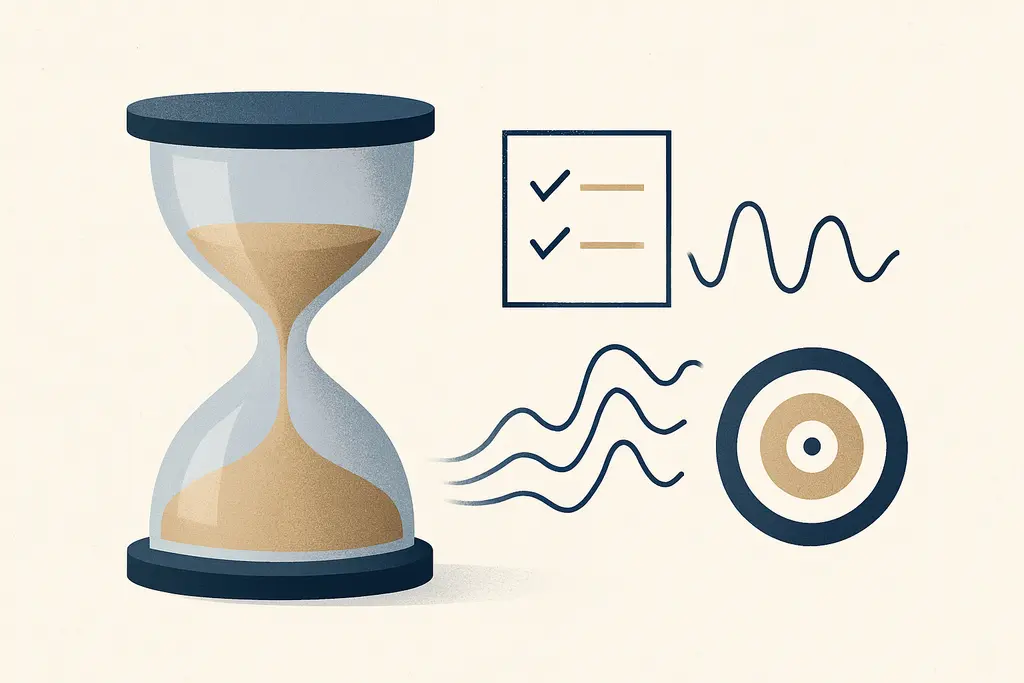
Start-of-task micro-rituals are short, intentional behaviors that precede a discrete work activity. They are not long routines or full workflows; they last seconds to a few minutes and serve as a transition from one mental state to another. In workplaces, these rituals function as cognitive primes — predictable cues that prepare attention, lower start-up costs, and reduce the subjective burden of beginning.
Why these rituals develop and what sustains them
Several forces create and maintain start-of-task micro-rituals:
- Habit formation: repeating an action before a task links the cue to the mental state of focus.
- Social norms: colleagues’ visible rituals (e.g., plugging in headphones) signal acceptable ways to prepare.
- Emotional regulation: rituals reduce anxiety about starting challenging work by offering a controllable step.
- Environmental cues: tools, software defaults, or physical layout make specific micro-rituals easier to perform.
These factors interact. For example, an employee who notices that opening a particular document template reliably helps them write faster will repeat that action; coworkers who observe the behavior may adopt it, turning an individual strategy into a micro-culture.
How it looks in everyday work
- Desktop tidy: quickly moving unrelated tabs or files out of view before writing.
- Single-click setup: opening the specific app or template you need and arranging windows the same way each time.
- Verbal cue: saying a short phrase to oneself (e.g., “draft start”) or speaking a headline aloud.
- Physical anchor: putting on headphones, brewing a drink, or adjusting posture.
- Two-minute plan: jotting 1–2 bullets of the immediate next steps for the task.
These behaviors are subtle but consistent. They show up as tiny rituals between calendar transitions, at the start of sprints or when someone switches from meetings to focused work. Over time they streamline starts: the brain recognizes the cue and moves into task-focused processing more quickly.
Moves that actually help
Practical change often begins with making the ritual explicit. Once people can name the cue and the benefit, it becomes easier to refine, shorten, or replace the action with a lower-cost alternative that preserves the cognitive payoff.
Use implementation intentions: pre-commit to a specific cue-action pair ("When I open the doc, I will write the title first").
Standardize helpful cues: teams can agree on neutral visible signals (e.g., a ‘do-not-disturb’ chat status) to reduce friction.
Remove barriers: automate setup steps (templates, preloaded apps) so the ritual becomes shorter or unnecessary.
Model and teach: leaders who show useful micro-rituals and explain their purpose accelerate adoption.
Interrupt the ritual when it turns into procrastination: set strict start times or use time-boxes to prevent ritualizing as delay.
Common misreads and related patterns worth separating from it
- Rituals vs. procrastination: a micro-ritual that repeatedly expands (more setup, more “last-minute” checks) may be procrastination in disguise.
- Rituals vs. perfectionism: spending extra time on an elaborate start ritual to perfect conditions is different from a brief focus cue.
- Habit vs. superstition: a ritual that helps consistently is a habit backed by payoff; a superstition lacks demonstrated benefit but persists through belief.
These near-confusions matter because observers often misinterpret intent. A co-worker’s five-minute pre-task sequence might be seen as avoidance when, in fact, it's a focused trigger that cuts start-up time. Conversely, what looks like concentration gear (headphones, note cards) can sometimes be cover for delaying actual work.
A quick workplace scenario
A product manager always opens the product brief, sketches a one-line goal, sets a 25-minute timer, and then closes irrelevant tabs. A peer sees the PM spending an extra three minutes and assumes avoidance. In reality, the PM’s ritual reduces reorienting during the first 10 minutes and improves drafting speed. If the ritual expanded to thirty minutes of tweaking the environment, it would shift into counterproductive procrastination.
Questions worth asking before changing or criticizing these rituals
- What specific start-up cost is this ritual solving (distraction, anxiety, decision fatigue)?
- Is the ritual shortening actual start time or lengthening it?
- Could we standardize a low-cost team cue that preserves benefits without misunderstanding?
- Is the ritual social (learned from peers) or idiosyncratic and personal?
Answering these clarifies whether to adopt, adapt, or discourage a ritual. Interventions that respect individual differences (offer optional team signals rather than mandates) tend to preserve benefits while reducing misreads.
Practical edge cases and cautions
- Edge case — highly interrupt-driven roles: In jobs with frequent context switches, overly elaborate rituals can reduce adaptability; keep cues minimal.
- Edge case — shared workspaces: visible rituals might be misinterpreted; pair signals (e.g., a subtle desk flag) with short team norms to avoid confusion.
- Caution: don’t conflate ritual presence with productivity. Measure whether the ritual actually improves start speed or output quality before formalizing it.
Start-of-task micro-rituals are small, often invisible tools in the cognitive toolkit. When understood and used deliberately, they lower the cost of starting work; when ignored or misread, they can create friction or unnecessary scrutiny.
Related topics worth exploring
These suggestions are picked from nearby themes and article context, not just a flat alphabetical list.
Focus transition rituals
Small, repeatable cues people use to move between tasks—why they form, how they look in meetings and solo work, and simple steps leaders can use to shape them.
Focus residue recovery
How leftover attention from one task slows the next—and practical steps managers and teams can use to clear it, from short buffers to one‑line handoffs.
Visual task queueing
How visible lines of work—sticky notes, Kanban columns, inbox piles—shape focus and coordination at work, why they form, and practical ways to manage them.
Focus momentum
How attention builds or breaks in work cycles, why continuous focus speeds delivery, and practical manager actions to preserve or restore productive momentum.
5-minute focus reset
A concise guide to the 5-minute focus reset: a short, deliberate pause to clear distraction, capture the next action, and return to work with less lost time and fewer follow-ups.
Meeting Warm-up Rituals
How small pre-meeting routines shape team alignment, when they help or hinder productivity, and practical steps to preserve the useful parts or redesign them.