Quick definition
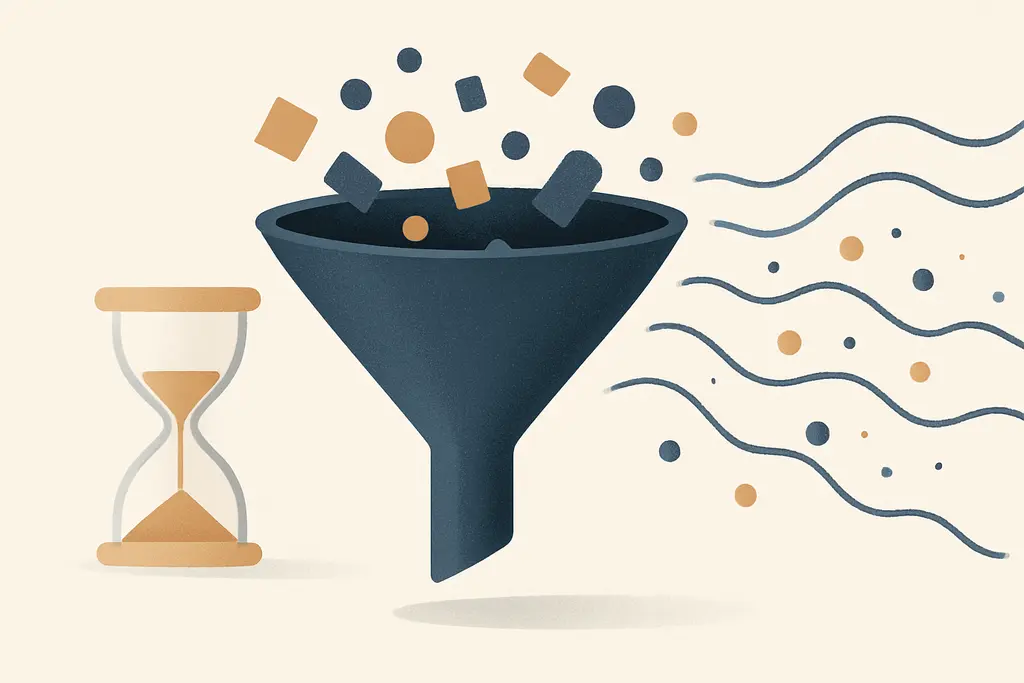
Hyperfocus rebound is a cyclical attention pattern: a period of unusually deep concentration (hyperfocus) followed by a compensatory or disruptive phase (the rebound). The rebound may be sudden loss of focus, scattered activity, emotional fatigued responses, or a reactive attempt to regain control by overworking on other tasks.
Managers should note that rebound is about the pattern, not a personal failing; it affects planning, handoffs, and scheduling.
Underlying drivers
**Cognitive load:** sustained deep focus taxes working memory and executive control, making transitions harder.
**Reward salience:** tasks with strong immediate feedback encourage over-immersion, increasing rebound risk.
**Unclear boundaries:** lack of scheduled stops or handoffs lets sessions extend until mental fatigue triggers a rebound.
**Stress and pressure:** high pressure can amplify digging-in behavior followed by rapid depletion.
**Environmental cues:** uninterrupted environments can enable hyperfocus, while sudden interruptions can precipitate rebound.
**Task switching costs:** frequent or forced switches after hyperfocus create executive friction and scatter.
**Social expectations:** team norms that reward last-minute heroics reinforce cycles of hyperfocus and rebound.
Observable signals
These patterns affect predictability and team planning. Noticing timing and triggers helps managers redesign workflows to reduce disruption.
Consistent late-night or weekend bursts on a single project, followed by low engagement the next day.
Delivering high-quality drafts quickly, then missing minor follow-up items or communications.
Sudden spikes in activity on unrelated tasks after a major push (e.g., reorganising files post-deadline).
Team members reporting the person is “all-in” for a period, then hard to reach for routine coordination.
Overcorrection: adding unnecessary fixes or doing busywork after a focused sprint.
Emotional signs: visible irritation, shut-down, or defensiveness when interrupted after deep focus.
Missed handoffs: failure to update stakeholders at transition points because attention stayed on the task.
Fluctuating responsiveness: fast replies during sprints, long delays during rebound windows.
A quick workplace scenario (4–6 lines, concrete situation)
A product designer spends two evenings polishing a prototype and sends a near-final file at 10pm. The next morning they miss the daily stand-up and don’t respond to feedback requests, then begins reorganising the design system instead of addressing reviewers’ comments. The manager notices the pattern, adjusts deadlines, and schedules a short debrief to rebalance tasks.
High-friction conditions
Tight deadlines leading to concentrated late pushes.
Tasks with clear, immediate visual progress (coding sprints, design mockups).
Lack of scheduled transitions or checkpoints.
High autonomy without defined collaboration points.
Interruptions right after a long deep-work period (emails, meetings).
Praise or reward for “heroic” single-person deliveries.
Sudden change in priorities or last-minute scope creep.
Open-plan spaces that enable long stretches of uninterrupted work.
Practical responses
These actions help maintain team flow and reduce bottlenecks caused by rebound cycles.
Set planned transition points: require brief check-ins or handoffs at defined milestones.
Encourage time-boxing: recommend fixed work blocks with scheduled breaks and debriefs.
Use visible task states: shared boards that show who owns next steps to prevent hidden work.
Normalize partial handoffs: accept interim updates so others aren’t blocked by a rebound.
Build predictable rhythms: regular meetings or turnaround windows reduce last-minute heroics.
Coach on micro-rests: short, work-neutral pauses help the brain shift gears more smoothly.
Limit after-hours sign-off expectations to avoid prolonged late sprints.
Pair or swap responsibilities around critical transitions to smooth handoffs.
Offer role-tailored workload adjustments when repeated rebound affects deliverables.
Debrief after sprints to capture what triggered hyperfocus and plan for smoother transitions.
Create an interruption protocol: define how and when it’s appropriate to pull someone out of deep work.
Track patterns, not people: use data on timing and response rather than attributing intent.
Often confused with
Attention residue — explains how unfinished tasks leave cognitive residue; differs by focusing on leftover attention rather than a rebound response after deep immersion.
Deep work — a state of focused effort that can precede hyperfocus rebound; hyperfocus rebound highlights the transition costs when that state ends.
Burnout — longer-term strain from chronic overwork; rebound is a shorter cycle of attention collapse that can contribute to burnout if repeated.
Task switching costs — the performance loss when moving between tasks; rebound often amplifies these costs at the end of a hyperfocused period.
Context switching — changing environments or tools; rebound can be triggered by abrupt context switches, but context switching is a broader concept.
Flow state — positive immersive engagement with clear goals; hyperfocus rebound concerns the after-effects when flow ends unexpectedly.
Timeboxing — a planning technique to limit sessions; it’s a practical countermeasure to hyperfocus rebound.
Workload distribution — how tasks are allocated in a team; poor distribution can create conditions that foster rebound cycles.
Executive control fatigue — decreased capacity to regulate attention after heavy use; this connects to rebound by explaining diminished switching ability.
Collaborative handoffs — structured transitions between teammates; these mitigate the negative impact of rebound on downstream work.
When outside support matters
- If rebound cycles lead to sustained impairment in job performance or chronic exhaustion, consider recommending a conversation with an occupational health professional or HR advisor.
- If the person reports persistent trouble regulating work hours or severe sleep disruption linked to work cycles, suggest consulting an appropriate qualified clinician through workplace resources.
- Use employee assistance programs (EAPs) or HR-led referrals when workplace functioning or wellbeing is significantly affected.
Related topics worth exploring
These suggestions are picked from nearby themes and article context, not just a flat alphabetical list.
Inbox zero myth
Why aiming for an empty inbox is often symbolic, how it shapes daily work behavior, common confusions, and practical fixes to reduce busywork and distraction.
Notification anxiety
Notification anxiety is the anticipatory stress about pings and messages at work — it fragments focus, shapes habits, and can be reduced by norms, batching, and targeted notification settings.
Deep Work for Managers
How managers create, protect, and scale focused, high-value work time—practical steps, pitfalls, and examples for turning attention into better decisions and fewer interruptions.
Focus residue recovery
How leftover attention from one task slows the next—and practical steps managers and teams can use to clear it, from short buffers to one‑line handoffs.
Decision batching
Decision batching groups similar workplace choices into scheduled sessions; it can boost focus and consistency but also cause delays and bottlenecks if misused.
Visual task queueing
How visible lines of work—sticky notes, Kanban columns, inbox piles—shape focus and coordination at work, why they form, and practical ways to manage them.